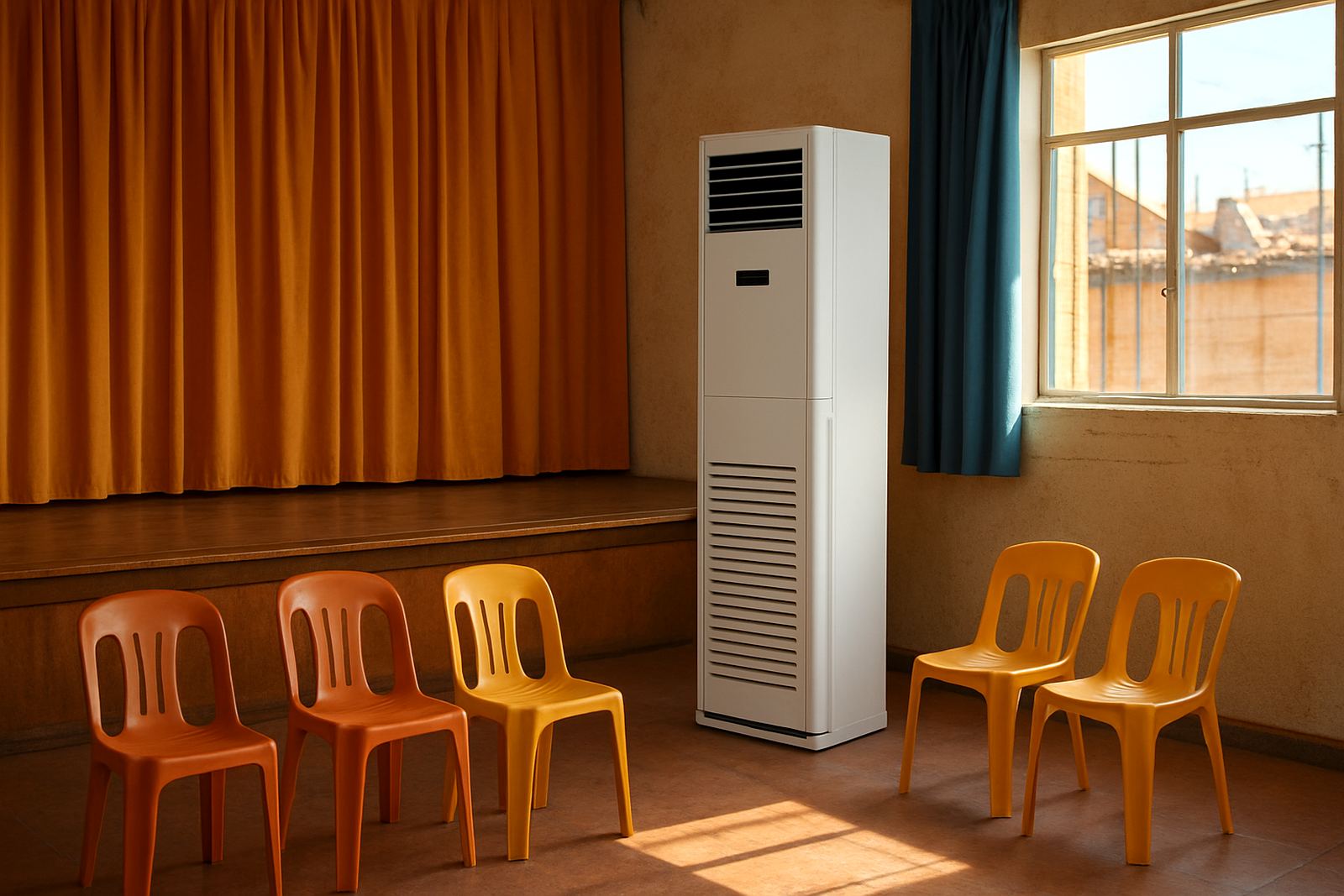
What a 24000 BTU inverter unit does in everyday use
A 24000 BTU inverter aircon is built for bigger spaces where a smaller unit has to work too hard. In practical terms, it can suit a large lounge, open-plan kitchen and living area, small boardroom, shop floor, or a home office setup with glass and sun exposure. The inverter compressor adjusts its output as the room reaches temperature, so it does not keep starting and stopping the way older fixed-speed units do.
For Gauteng homes and businesses, that matters. Afternoon heat builds quickly, and a room with high ceilings, west-facing windows or poor insulation can feel warm long after sunset. This size is often the right step up when a 18000 BTU unit is not enough, but you still want controlled running costs. It is a practical option if you need comfort through long summer days, with less noise once the room is settled.
- Best for large rooms from about 35 m² to 50 m², depending on heat load
- Suitable for homes, offices, small retail areas and meeting rooms
- Inverter control helps reduce power draw once the target temperature is reached
Size options and matching the right specification
This product page covers the 24000 BTU class, but there are usually a few installation choices to consider before ordering. Some customers only need cooling, while others want a system that can also heat in winter. You may also need a standard wall-mounted indoor unit, or a split setup for a space where the indoor unit must be placed away from direct seating or work areas. The right choice depends on the room layout, the ceiling height, and how much sun the room takes during the day.
In our experience, the most common mistake is buying on floor size alone. A 40 m² room with big glass panels can need more capacity than a 50 m² room with good shade. In homes around Sandton, Randburg and Midrand, this comes up often in north-facing lounges and double-volume areas. If the room has a lot of heat from computers, cooking, or people moving in and out, it is worth checking the actual load before you order.
- Cooling-only or cooling and heating versions may be available
- Indoor wall-mounted split unit with outdoor condensing unit
- Single-phase supply is common for homes, but the final check depends on the site
Where a 24000 BTU inverter aircon suits best
This size works well where comfort matters for long periods and temperature changes need to be kept steady. A family living area in Johannesburg North, a home cinema room in the East Rand, or a management office in the West Rand can all benefit from the quieter operation and more even cooling. It is also a sensible choice for customer-facing spaces where hot or stuffy air affects how people feel while they are inside.
For commercial use, this unit is often specified for meeting rooms, consulting rooms, reception areas and small open-plan offices. If the space has heavy glass, frequent door opening, or many computers, we will normally check whether one 24000 BTU unit is enough or whether the load should be split across two smaller units. That kind of planning helps avoid short cycling, uneven temperatures and unnecessary wear. It also saves trouble later on.
- Homes with large lounges, entertainment areas and linked kitchens
- Offices with 4 to 8 people, depending on heat load and layout
- Shaded or partially shaded spaces with moderate to high internal heat
Installation, electrical supply and outdoor unit placement
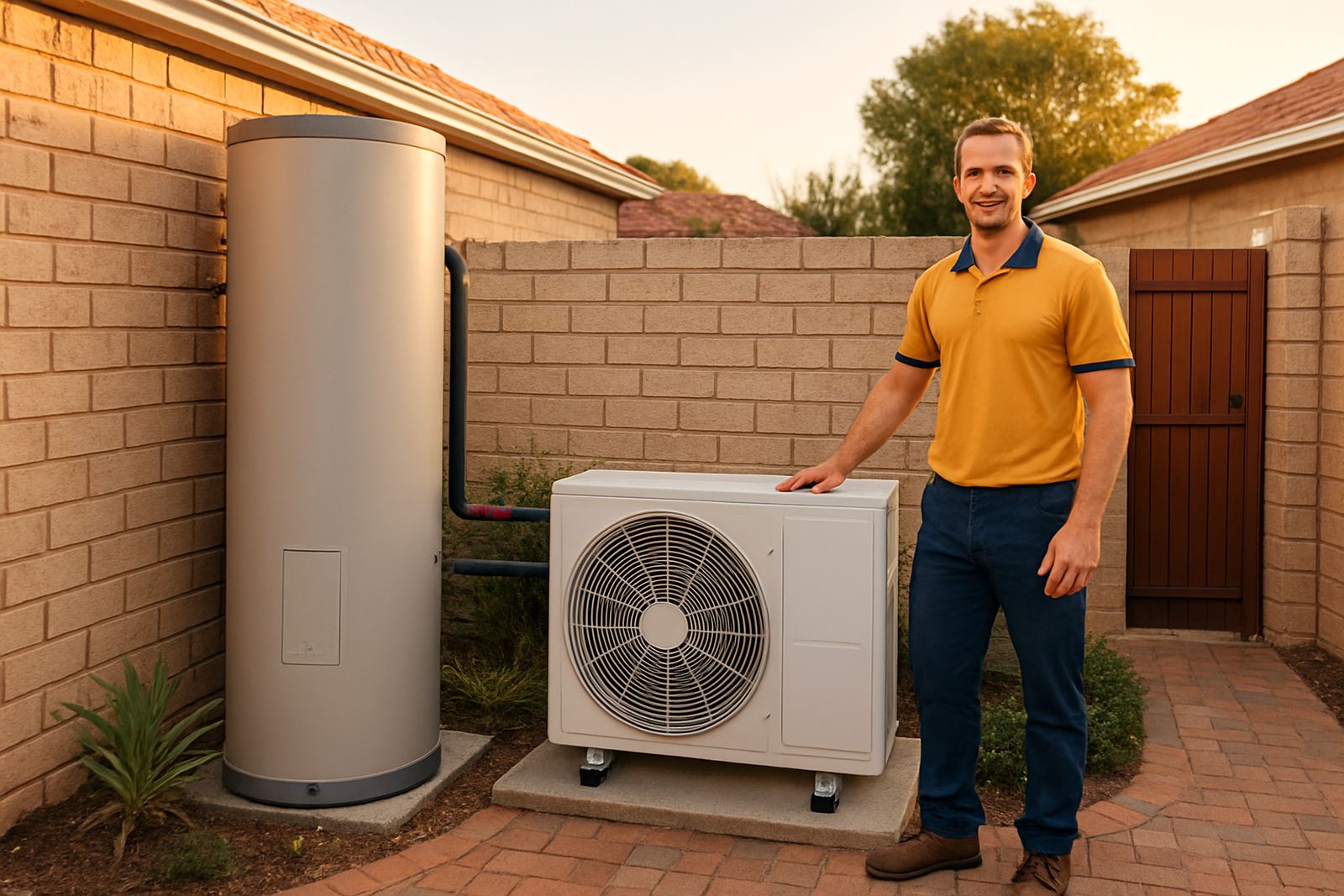
Supply-and-fit means we handle the full installation process, from advising on the right location to commissioning the unit once it is mounted. A 24000 BTU inverter unit needs correct pipework, proper drainage, neat cable routing and secure mounting for both indoor and outdoor sections. The outdoor unit must have enough air flow around it, and it should not be placed where hot discharge air will recycle back into the unit.
Electrical supply must be checked before fitting. The current draw, isolator size and cable route all need to suit the unit and the property. In some homes, a dedicated circuit is required. In offices, the distribution board may need confirmation before work starts. On coastal jobs this is less common for us than Gauteng, but we still protect against dust, corrosion and poor water run-off. If the drain line is not planned properly, you can end up with dripping walls or staining inside. That is avoidable with a clean install.
- Correct wall bracket or base stand for the outdoor unit
- Drainage fall checked to prevent backflow and leaks
- Pipe length and route confirmed before drilling begins
Power use, inverter control and backup planning
People often ask whether a 24000 BTU inverter unit is expensive to run. The honest answer is that it depends on room size, insulation, usage hours and how hard the unit has to work. Inverter control helps because the compressor slows down once the room reaches temperature, so it is not drawing maximum power all the time. That makes it a better fit than an older fixed-speed unit in spaces where the aircon runs for many hours each day.
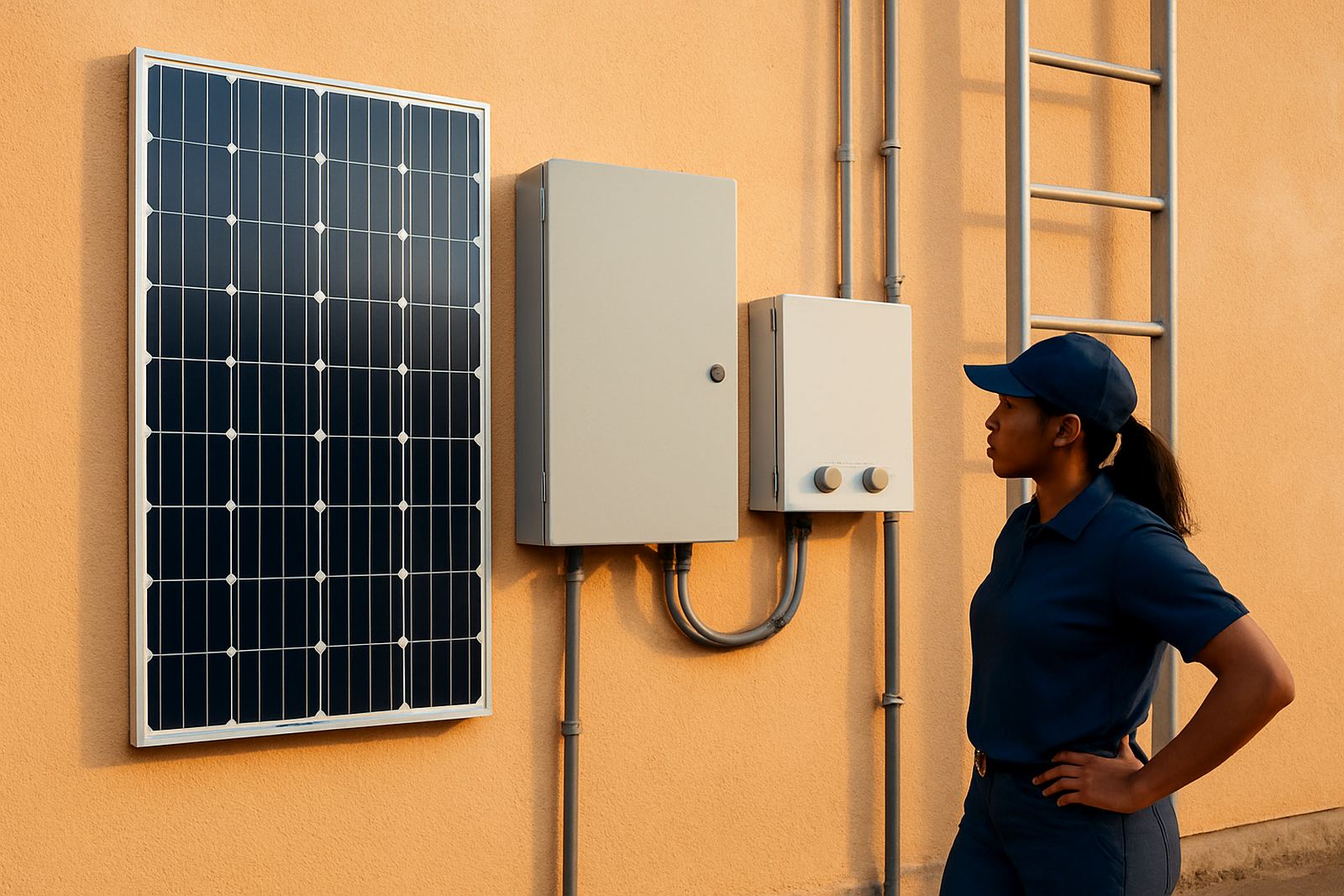
For load-shedding planning, we can discuss solar-compatible setups and supply options that work with backup systems where the electrical design allows it. If you already have inverter backup, batteries or solar on site, the aircon’s starting and running requirements must still be checked against the rest of the load. A good installation does not overload the system. It is also worth remembering that a bigger unit cools faster, but only if the room can hold the temperature. If doors are left open all day, no unit will save power.
- Better control of running costs than non-inverter models
- Suitable for sites looking to reduce start-stop cycling
- Can form part of a planned backup or solar-friendly setup
Care, servicing and what to check before you order
Like any air conditioner, this unit performs best when filters are kept clean and the outdoor unit is free of dust, leaves and blockage. In Johannesburg and Gauteng, fine dust can build up quickly on filters and condenser fins, especially near busy roads or in office parks. If the unit is running longer than usual, making odd noises, or not reaching set temperature, it should be checked before the fault gets worse. A small problem can turn into a costly repair if it is ignored.
Before ordering, check the room size, the main use of the space, the available wall position, and where the outdoor unit can sit without nuisance to neighbours. Also check whether you need cooling only or cooling and heating, and whether the power supply can handle the load. If the unit is going into a commercial site, some building managers require notice for drilling, drainage or external mounting. It helps to confirm this early so there are no delays on the day. We can also advise on servicing plans for homes and offices that want regular upkeep.
- Clean filters every few weeks in dusty conditions
- Book routine servicing to check gas pressure, drainage and electrical connections
- Confirm room size, power supply and outdoor unit position before purchase
Key facts
| Capacity | 24000 BTU |
|---|---|
| Type | Inverter split air conditioner |
| Typical coverage | Large rooms and open-plan spaces from about 35 m² to 50 m² |
| Use | Home and office cooling, with heating options on selected models |
| Power supply | Usually single-phase, subject to site confirmation |
| Installation | Supply and fit available in Johannesburg and Gauteng |