








Start With the Room, Not the Label
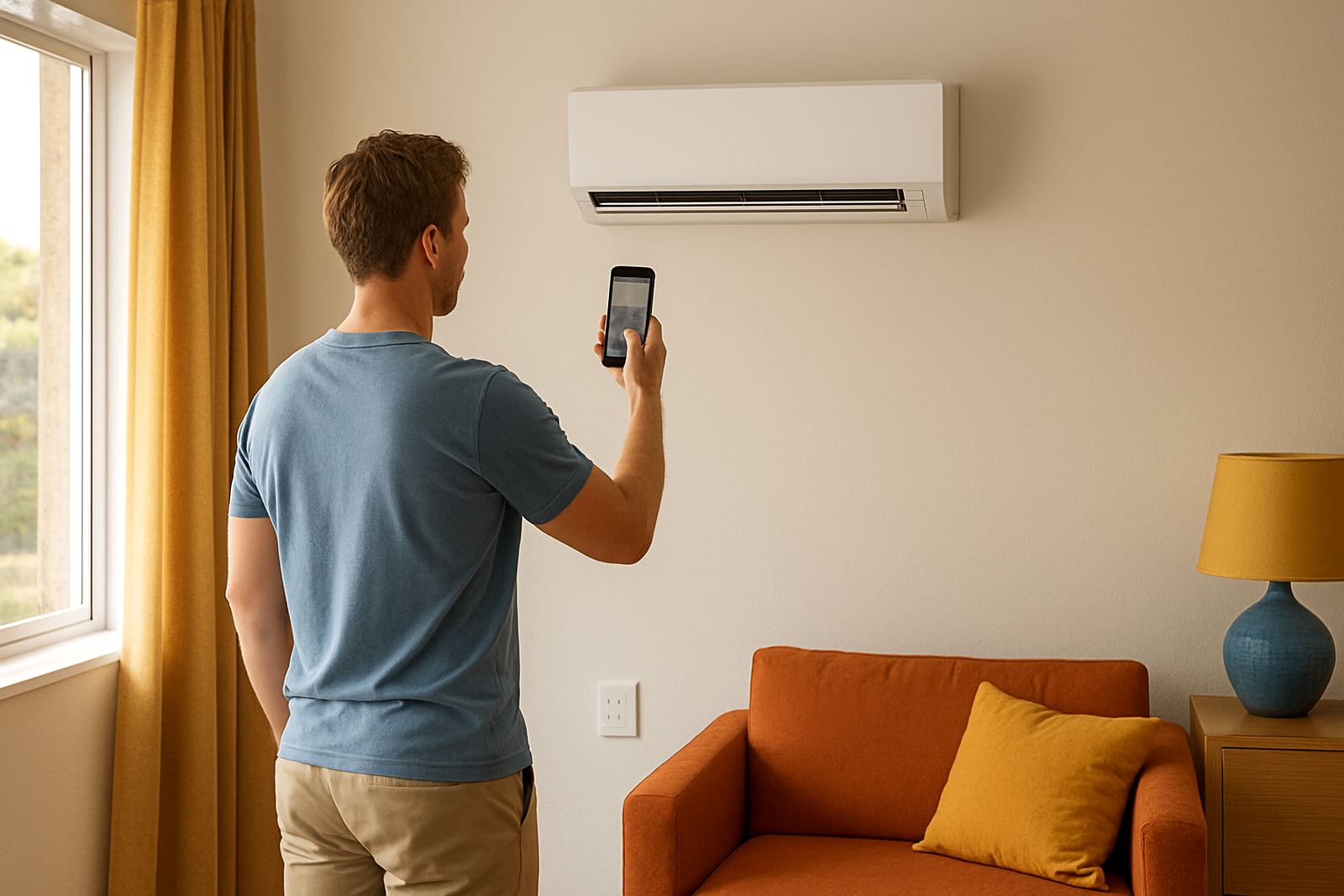
The right unit starts with the space it must cool or heat, not just the name on the box. A small bedroom in Sandton with good insulation needs far less capacity than a sunny open-plan lounge in Randburg, and a boardroom in Midrand will need a different answer again.
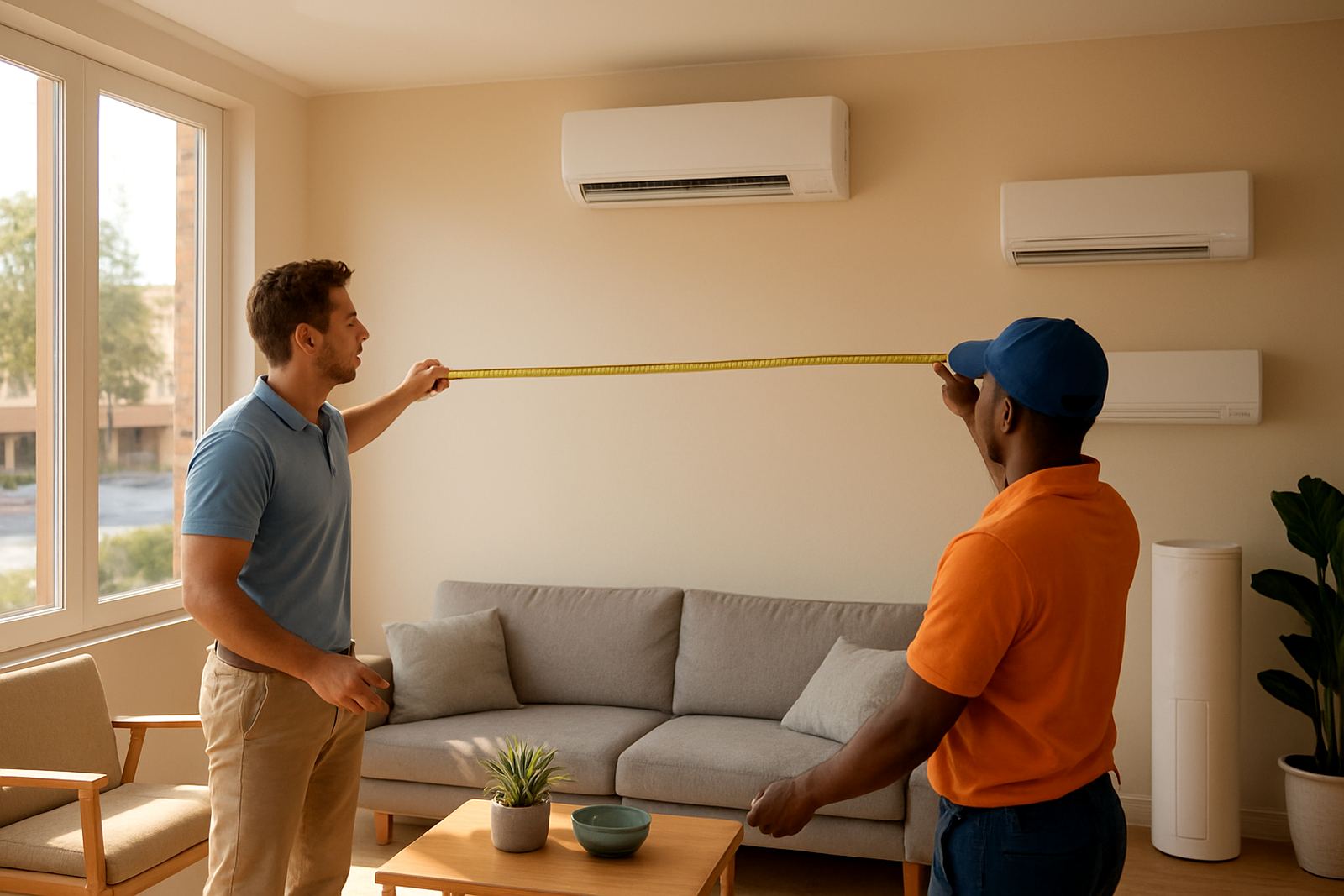
Measure the room in metres, note the ceiling height, and think about glass, direct sun and how many people use the space. A flat in a complex may be simple, but an older house in Johannesburg North with wide windows and weak insulation can need a careful check before you buy.
- Room size in m2 and ceiling height
- Number of windows, glass doors and sun-facing walls
- People using the space daily
- Heat from ovens, computers or other equipment
Choose the Right Air Conditioner Type
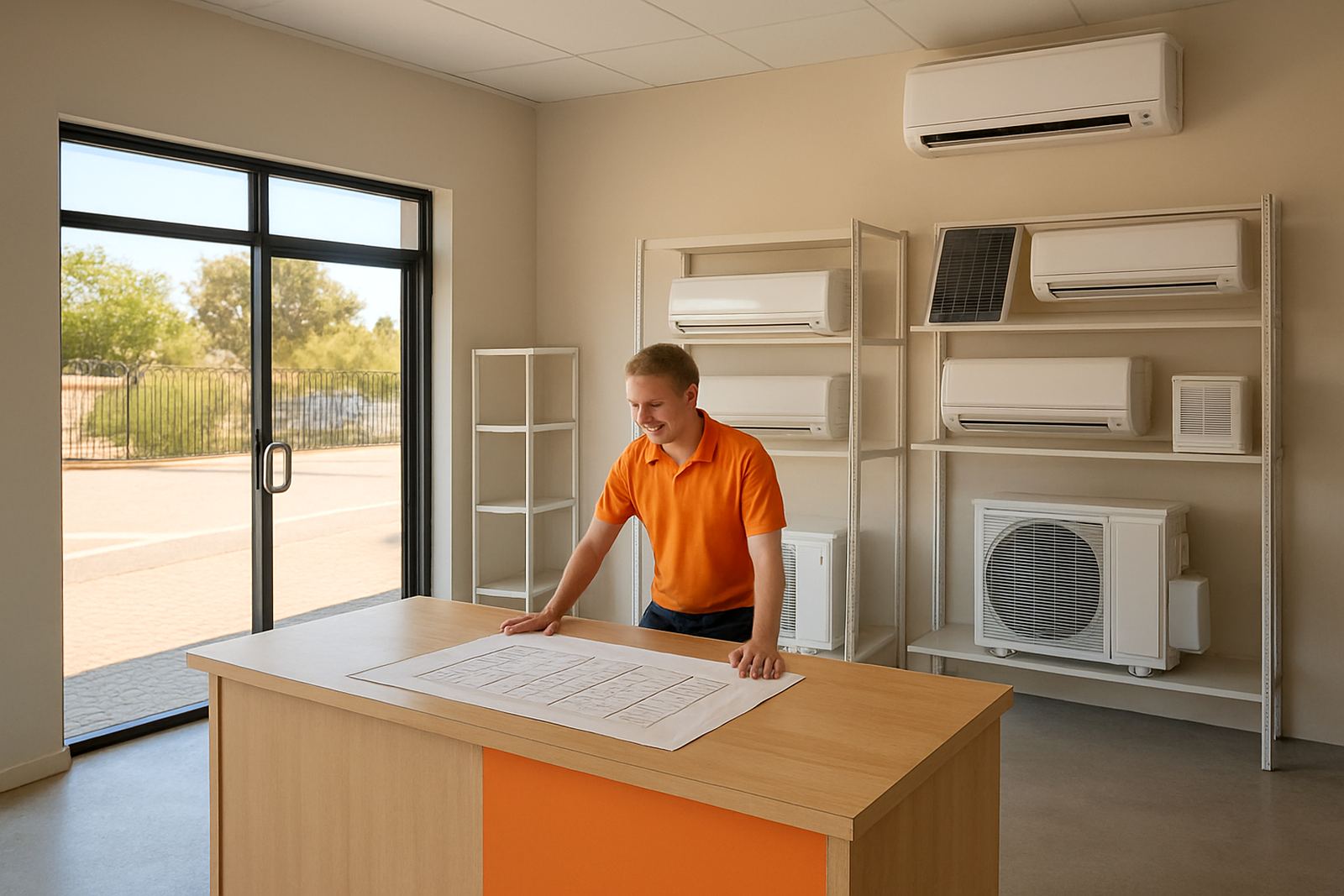
Split systems suit many homes and smaller offices because they are tidy and practical for single rooms or a few connected spaces. Inverter units are usually the better buy where the aircon runs for long hours, because they adjust output instead of switching hard on and off. That helps with power costs and comfort during load-shedding recovery.
Solar-ready options are worth a look for properties with panels, battery backup or high daytime use. They can reduce pressure on the electrical supply, but the full setup must be matched properly to the site. For replacement work, check the old unit size, the pipe route and whether the electrical line still meets current requirements.
- Split aircons for bedrooms, lounges and small offices
- Inverter aircons for steady daily use
- Solar aircons for homes and offices with solar support
- Replacement units where existing pipework and power points can be reused
When a Heat Pump Makes More Sense
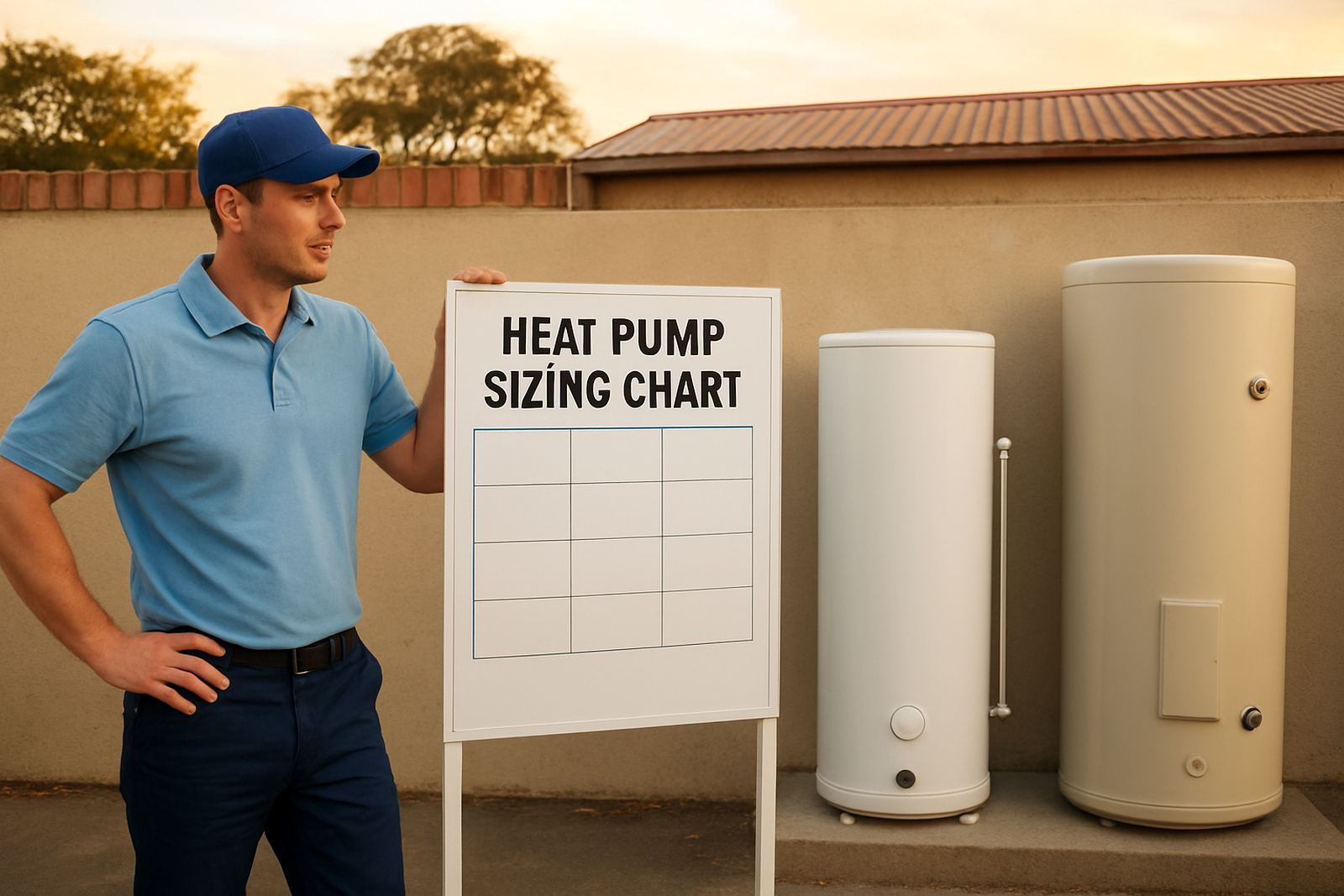
A heat pump is often the better choice for hot water or pool heating where running costs matter. In Gauteng, a correctly sized heat pump can give reliable service through winter mornings and still work well in summer. For families in East Rand and West Rand suburbs, it is a practical way to keep water heating under control.
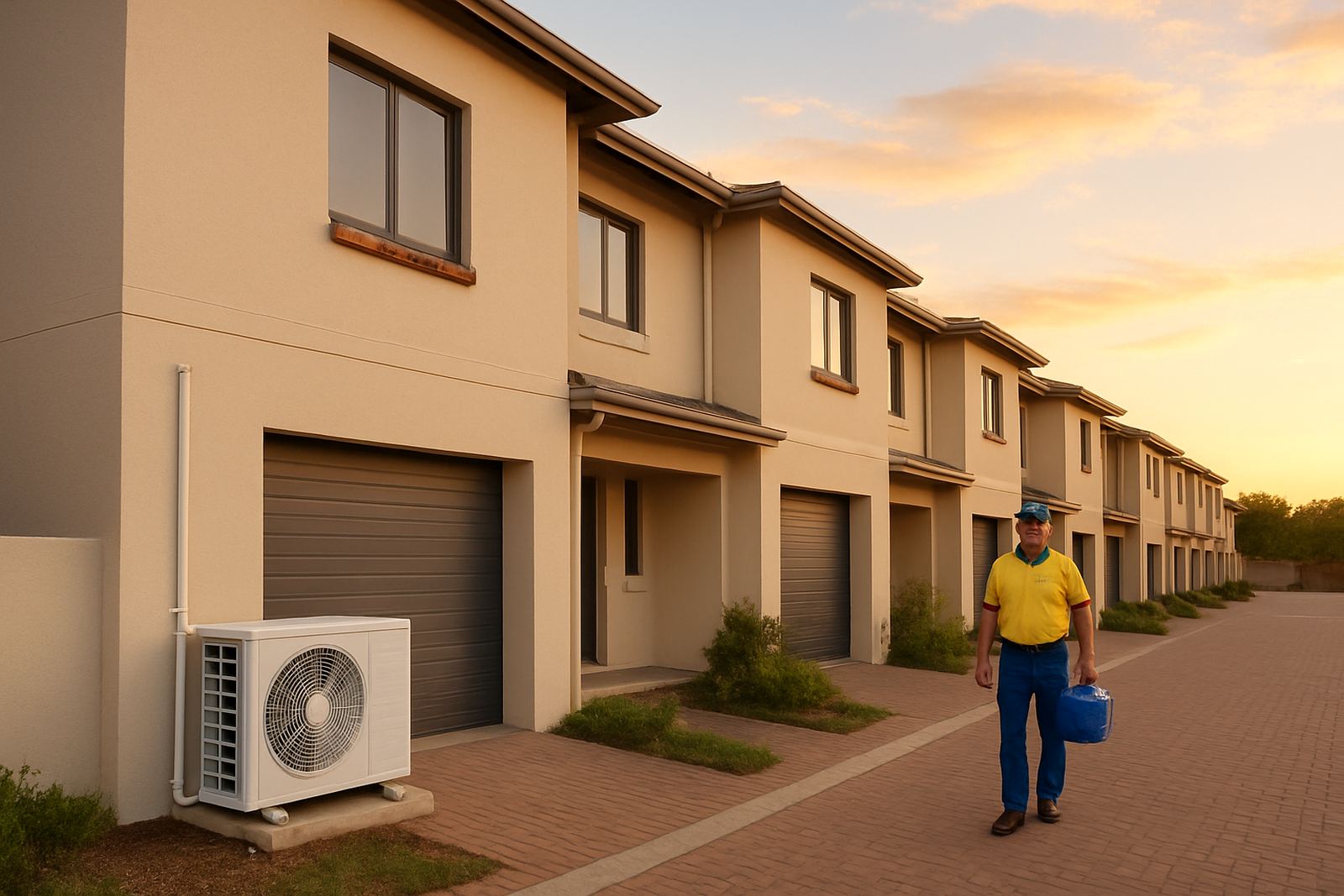
We look at usage patterns, water storage size and the distance between the unit and the geyser or pool system. Coastal humidity is not the main issue here, but dust, shade, airflow and installation position still matter. A poor location can shorten service life and reduce performance.
Atmospheric Water Generators for the Right Site
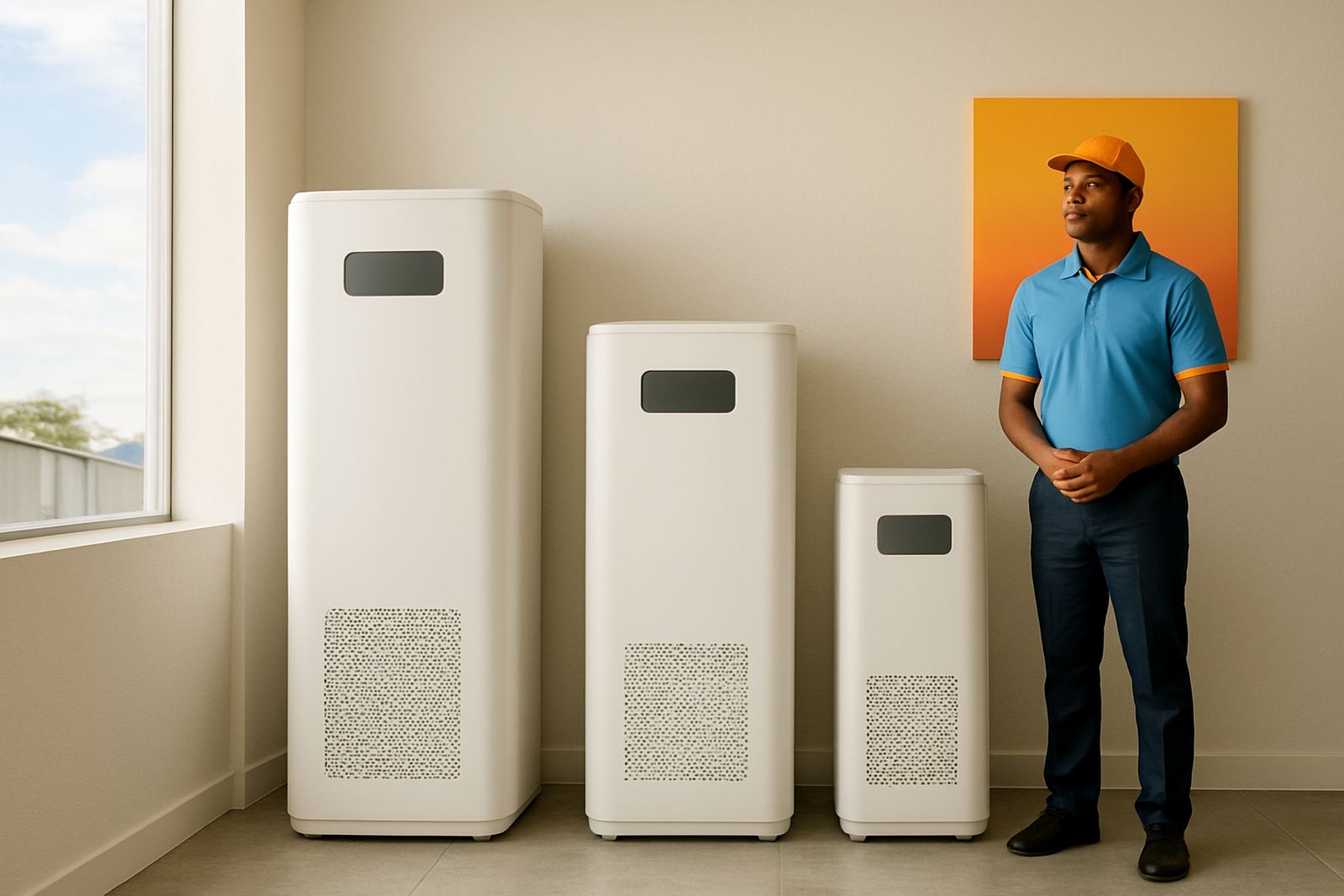
Atmospheric water generators are best considered where the site needs an independent water supply and the air conditions suit production. They are not a one-size-fits-all product. Output depends on humidity, temperature and how much water the site needs each day.
These systems are often useful for offices, remote buildings and specialised applications where access, storage or continuity is a concern. Before buying, it helps to check expected litres per day, available power, ventilation and whether the unit will be indoors or under cover. For larger sites, a commercial survey is the best starting point.
- Daily water demand in litres
- Indoor or sheltered installation space
- Power supply and backup arrangements
- Maintenance access for filters and cleaning
What to Check Before You Ask for a Quote
A good quote depends on the right details. If the site is in Johannesburg North, Sandton, Midrand or further out in the East Rand, the same unit may still need different pipe runs, brackets or cabling. The more accurate the information, the easier it is to compare supply only and supply-and-fit options.
Have the basics ready and we can guide you faster, without sending a team back and forth. If there are body corporate rules, municipal by-laws or access restrictions, mention them early so the installation plan is done properly first time.
- Room measurements and photos
- Existing power supply and DB board position
- Access for ladders, roof work or external brackets
- Any building rules or permit limits
Use the Guides as a Shortlist, Then Confirm On Site
These guides are meant to narrow the choices before a site visit or formal quote. They help you move from a long list of options to a shortlist that actually suits the room, the building and the way you use the space.
Once we have the basics, our team can confirm capacity, installation method and service access. That is where the final detail matters, especially for offices, multi-room homes and systems that must keep working during power interruptions.