What an atmospheric water system is doing before you pour a glass
An atmospheric water generator takes moisture from the air, turns it into liquid water and then treats it for daily use. In Gauteng, where many homes and offices already run dehumidifiers, air-conditioning or tightly sealed buildings, the process can be surprisingly steady when humidity and room temperature are right.
The important part is not only making water, but managing it properly after collection. Good systems move the water through several stages before it reaches the tap or dispenser. That normally includes particle filtration, carbon treatment, mineral balancing and a storage tank that is kept clean and closed off from the outside air.
When people ask about AWG water quality, they often focus on the source. The better question is whether the unit keeps dust, insects, mould and stale odours out after the water is made. That is where design and servicing matter.
Filtering the air and the water in the right order
An atmospheric water unit is only as good as its intake filtration and internal water treatment. The air drawn into the system should pass through filters that remove dust, pollen and fine debris before the moisture is condensed. In a Johannesburg North office, for example, road dust and building work nearby can increase filter loading quickly, so the intake stage should not be neglected.
After condensation, the water usually passes through more than one treatment step. A sensible setup often includes:
- Pre-filters for airborne dust and larger particles
- Activated carbon to help with taste and odour
- Fine filtration to catch smaller matter before storage
- Optional mineral treatment where the water needs a better mouthfeel
This sequence matters because clean-looking water is not the same as well-managed water. If the pre-filters clog, the machine works harder. If carbon stages are overdue for replacement, the taste may drift. If the storage tank is not sealed properly, the whole point of the system starts to fall away.
Storage tanks, holding time and why hygiene depends on routine
Once the water is produced, it must be stored in a way that keeps it safe and usable. Closed tanks, food-safe internal surfaces and controlled dispensing all help prevent contamination. In offices from Sandton to Midrand, the water may sit for hours before anyone uses it, so the storage method needs to be practical, not just neat on paper.
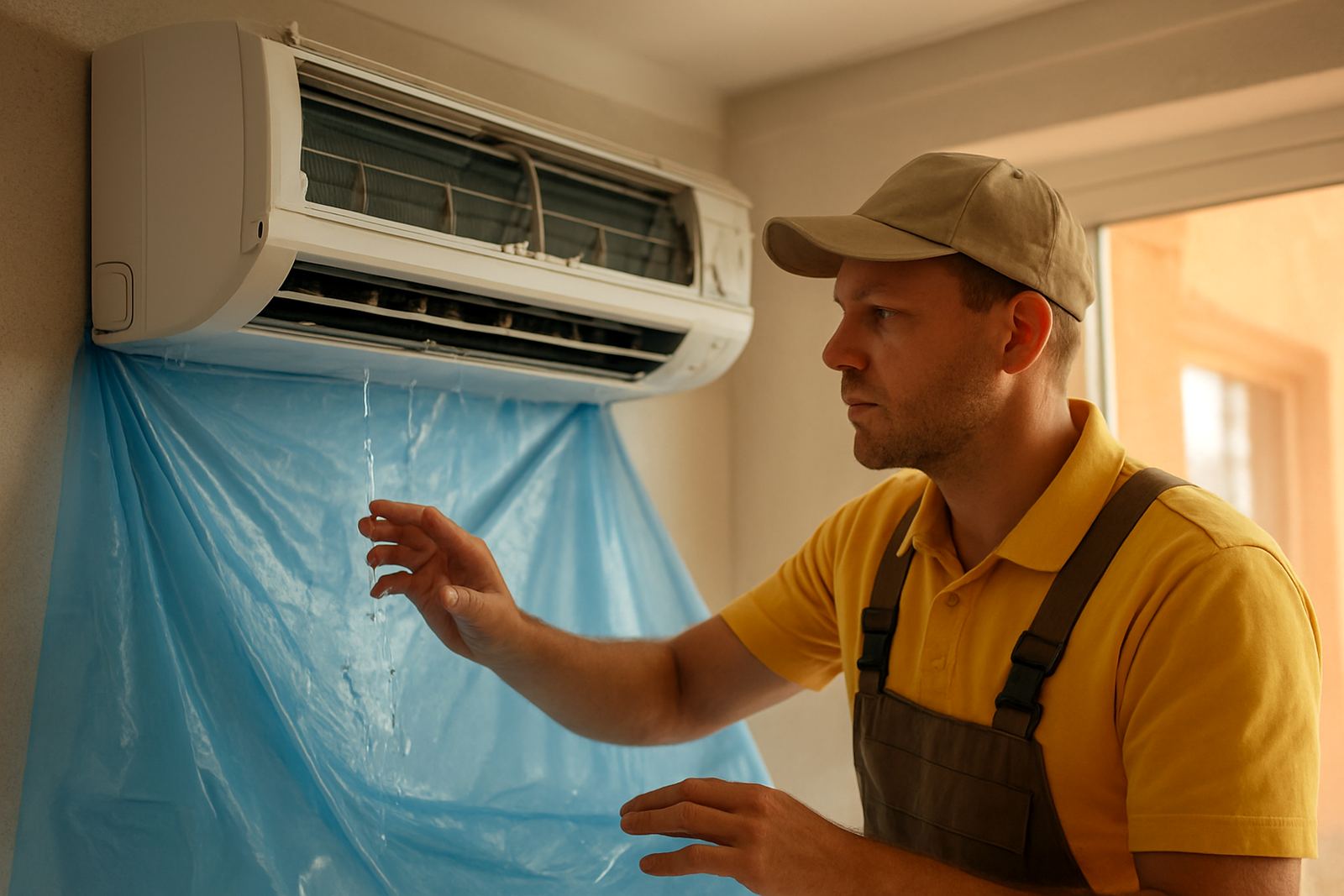
Standing water is never ideal if the unit is ignored. Even good systems need regular cleaning schedules, filter changes and checks on seals, hoses and vents. If a unit is fitted in a warm plant room or a spot with poor air movement, the servicing interval may need to be shorter. Coastal humidity is often mentioned in South Africa, but inland dust is its own problem and can be just as demanding.
Basic hygiene points to insist on include:
- Sealed tank access for maintenance only
- Clear drain points for flushing and cleaning
- Documented filter replacement intervals
- No standing water in external pipes or loose containers
A system that is well maintained can provide clean water for daily drinking, tea making and light office use without fuss.
Dispensing water safely in homes and workplaces
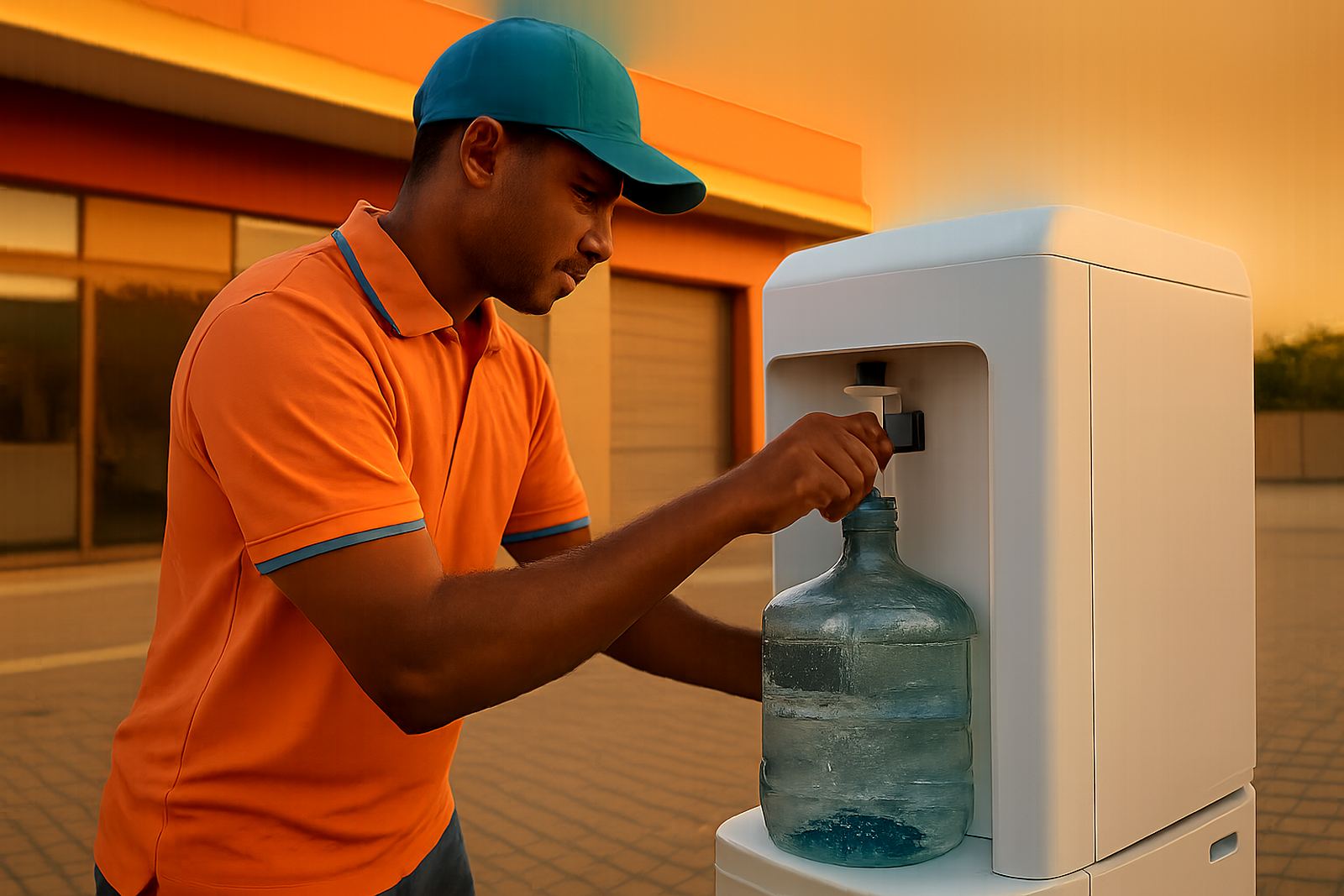
How the water is dispensed is just as important as how it is made. A clean internal tank can still be undermined by poor taps, dirty containers or people topping up open jugs. In family homes, it is common for the water to be used directly from a dispenser with cups or bottles filled on demand. In offices, a plumbed or countertop dispenser often works better because it reduces handling.
For better day-to-day water quality, keep these practices in place:
- Use covered bottles or a proper dispenser, not open buckets
- Wash reusable bottles and cups daily
- Keep the dispensing area away from printer dust and food scraps
- Do not leave the outlet exposed when the unit is not in use
It is also worth planning around power cuts. During load-shedding, an AWG may stop production, so the stored water must be enough for the day. That is one reason offices in Randburg and the West Rand often ask for a larger holding tank or a backup plan for low-production periods. A system that only works when the lights stay on is not much help in practice.
What daily use water should taste and look like
Water from a properly managed atmospheric unit should be clear, fresh tasting and free from odd smells. It should not have a plastic aftertaste or a dusty note. If it does, something is off in the filtration, storage or cleaning routine. The issue may be simple, such as a spent carbon filter, or it may point to a tank that needs cleaning.
People sometimes expect AWG water to taste exactly like bottled mineral water. That is not the point. The aim is clean water for everyday use, with a neutral taste that makes drinking, coffee and tea acceptable. If the system includes mineral balancing, the mouthfeel can improve, but the main concern remains hygiene and consistency.
A quick home check is useful. Look at the water against a white cup, smell it before drinking and notice whether the taste changes after the unit has been idle overnight. A sudden shift is often the first sign that maintenance is due.
A Johannesburg North example: where water quality becomes practical
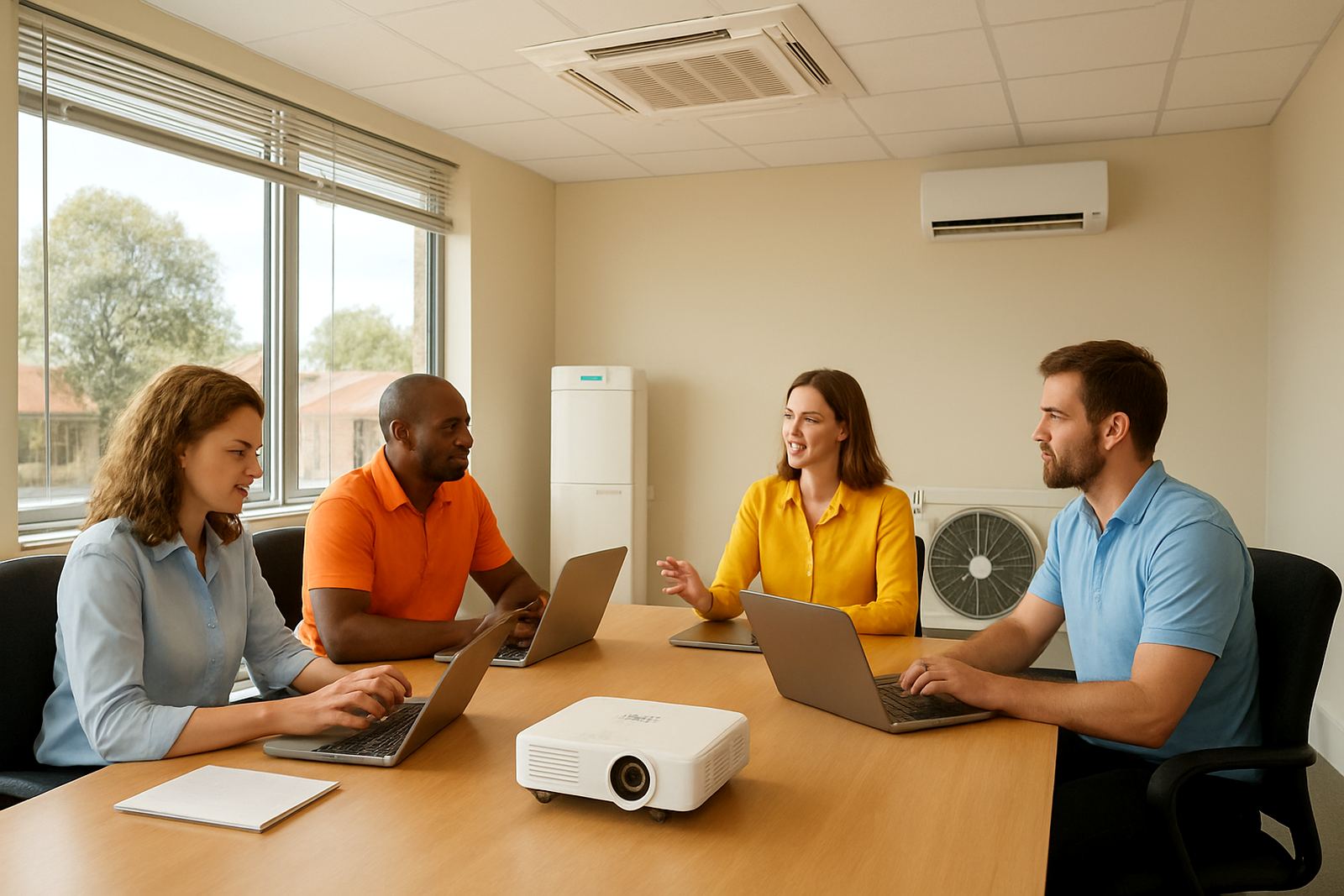
Consider a small professional practice in Johannesburg North with six staff members and a constant need for drinking water, kettle use and client refreshment. The team does not want repeated deliveries, and the building already has good air-conditioning. An atmospheric water system can be a workable fit, but only if the filter change schedule is followed and the storage tank is sized properly for weekdays.
On busy days, that office might use more than expected because of visitors and tea breaks. On quieter days, the water may sit longer, which makes a clean sealed tank more important. If the system is installed in a back office with little ventilation, the service plan should account for dust build-up and easier access for cleaning. That is where supply and fit experience counts, because the equipment needs to suit the building and the way people actually use water.
This kind of local setup is common across Sandton, Midrand and the East Rand too. The details change, but the basics stay the same: clean intake air, proper filtration, safe storage and regular service.
How to judge whether an AWG will hold up in real use
If you are comparing systems, ask practical questions rather than getting lost in technical claims. How often are the filters changed. Is the tank easy to clean. What happens when humidity drops. Can the dispenser handle daily office use. These answers matter more than a neat brochure.
For homes and offices in Gauteng, the best results usually come from a unit that is matched to the site, installed properly and maintained on schedule. If the air is dusty, the filters must be checked more often. If the building is busy, the storage capacity needs to suit demand. If the water is for regular staff use, the cleaning routine must be simple enough that people actually keep to it.
Atmospheric water can be a useful part of daily water planning, but only when the full chain is managed from intake to dispense. The moment one step is ignored, water quality drops and confidence follows.