Start with the shopfront, not the thermostat
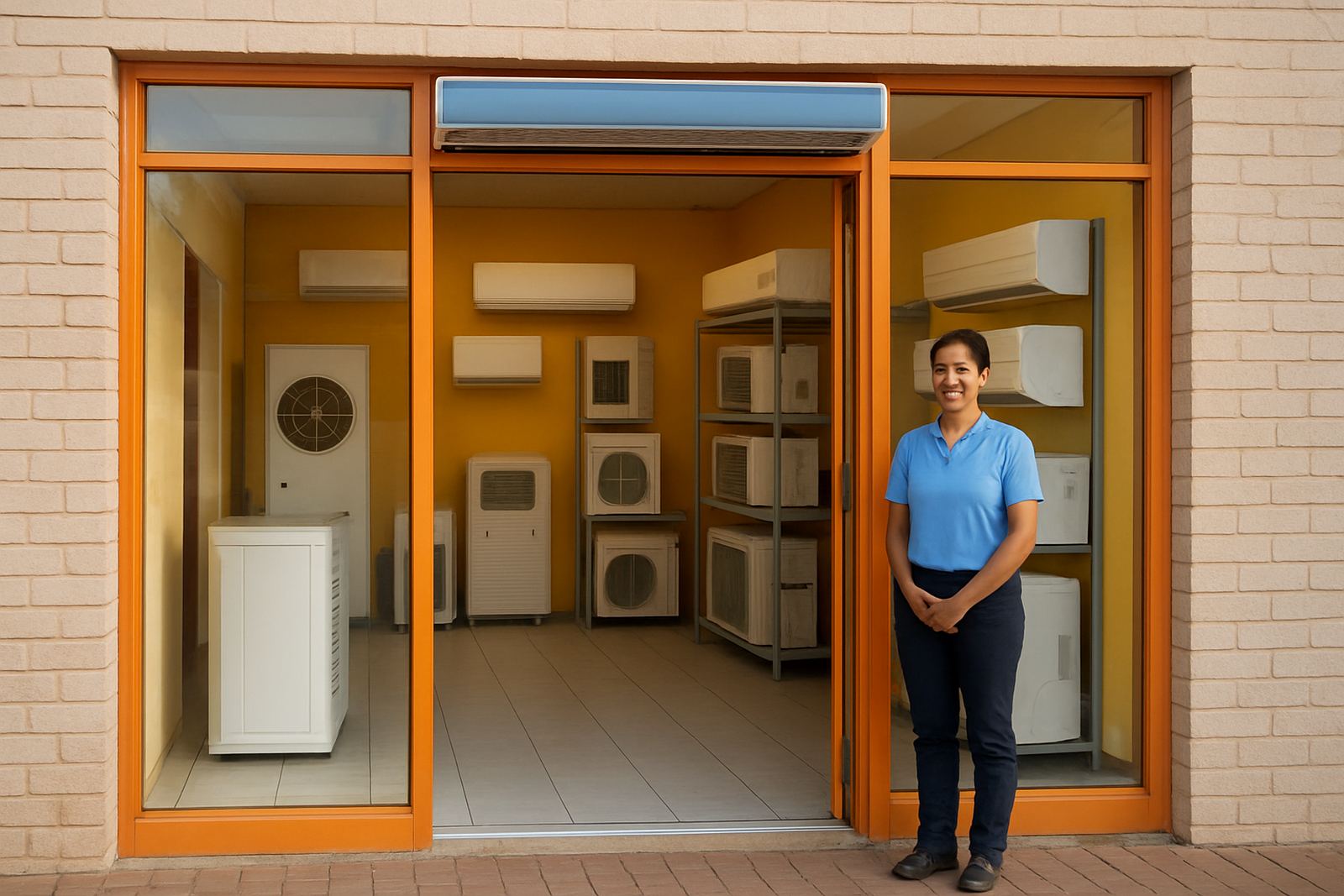
Many stores turn the setting down because the shop feels warm near the entrance, then the rest of the space ends up overcooled. A better plan is to reduce the heat coming in at the front first. Check for strong sun through glass, gaps around automatic doors, and air leakage from delivery entrances. If the aircon is fighting hot air every time a customer walks in, it will use more power and still feel uneven.
In a small clothing store in Randburg, for example, the main problem is often the front door staying open while staff help people at the till. A simple entry mat, a door closer adjustment, or a short screen wall can help limit the blast of outside air. Even a few degrees difference at the entrance changes how long customers stay in the shop.
- Use blinds, window film or shaded awnings on west facing glass.
- Check that doors close fully and seals are not damaged.
- Keep display fridges and ovens away from the main sales area if possible.
- Ask staff to keep loading doors shut between deliveries.
Choose cooling capacity that matches the shop size
One of the biggest mistakes in retail is fitting a unit that is either too small or too large. A small unit may run flat out all day and still not keep up with heat from lighting, people, glass and stock. A unit that is too large can cool the air quickly then stop, which leaves the shop feeling clammy and uneven. For shops in places like Sandton, Midrand and the East Rand, the right size matters because foot traffic and door use change through the day.
A proper site survey should look at floor area, ceiling height, glass exposure, equipment heat and how often the doors open. Shops with open plan layouts often need more than one indoor unit so the cool air spreads properly. For larger retail areas, a mix of inverter split systems and zoning can work better than one oversized unit. That keeps the back storeroom from getting too cold while the front feels fine.
When the load is matched well, the system can run steadier and use less electricity over the day. That is especially useful when load-shedding or voltage dips put pressure on the rest of the building. You want the shop to stay comfortable without making the meter spin all afternoon.
Use air movement to your advantage
Cool air does not need to be icy to feel pleasant. Good air movement can make a shop feel fresher at a higher temperature setting, which helps reduce power use. Ceiling fans, directional vents and careful placement of indoor units all help move air across the sales floor. In retail, the aim is even comfort, not cold spots near the unit and warm corners at the back.
Air movement also helps with door traffic. When people come and go all day, a steady flow of air can reduce the stuffy feeling that builds near the entrance. It can also help staff working near the till or fitting room stay more alert. In hotter months, that matters as much as the actual temperature.
- Set vents so they do not blow directly on customers waiting at the counter.
- Keep shelving clear around return air points.
- Use fans to support cooling, not to replace servicing.
- Close unused storage areas if they do not need the full shop temperature.
Plan for load-shedding and power cuts before summer starts
Retailers in Gauteng know that power interruptions can happen at the worst time, often when the shop is full. A cooling plan should account for what happens during an outage, after power returns, and during the first hot hour of the morning. If your system is switched off and on repeatedly, the restart load can be harder on the equipment and the shop may take longer to recover.
For stores using inverter aircons or solar assisted cooling, it helps to decide which areas matter most during a cut. The till area, pharmacy section, or customer waiting zone might need priority over storerooms. Some shops also pair cooling with battery backed lights so the space still feels safe and open. This is practical planning, not luxury. In a retail setting, comfort and safety often go together.
Where backup power is limited, a staged start up is useful. Bring one zone on first, let the space settle, then add the second unit if needed. That keeps demand lower and makes it easier to manage the rest of the building load.
Keep servicing on a retail schedule, not a crisis schedule
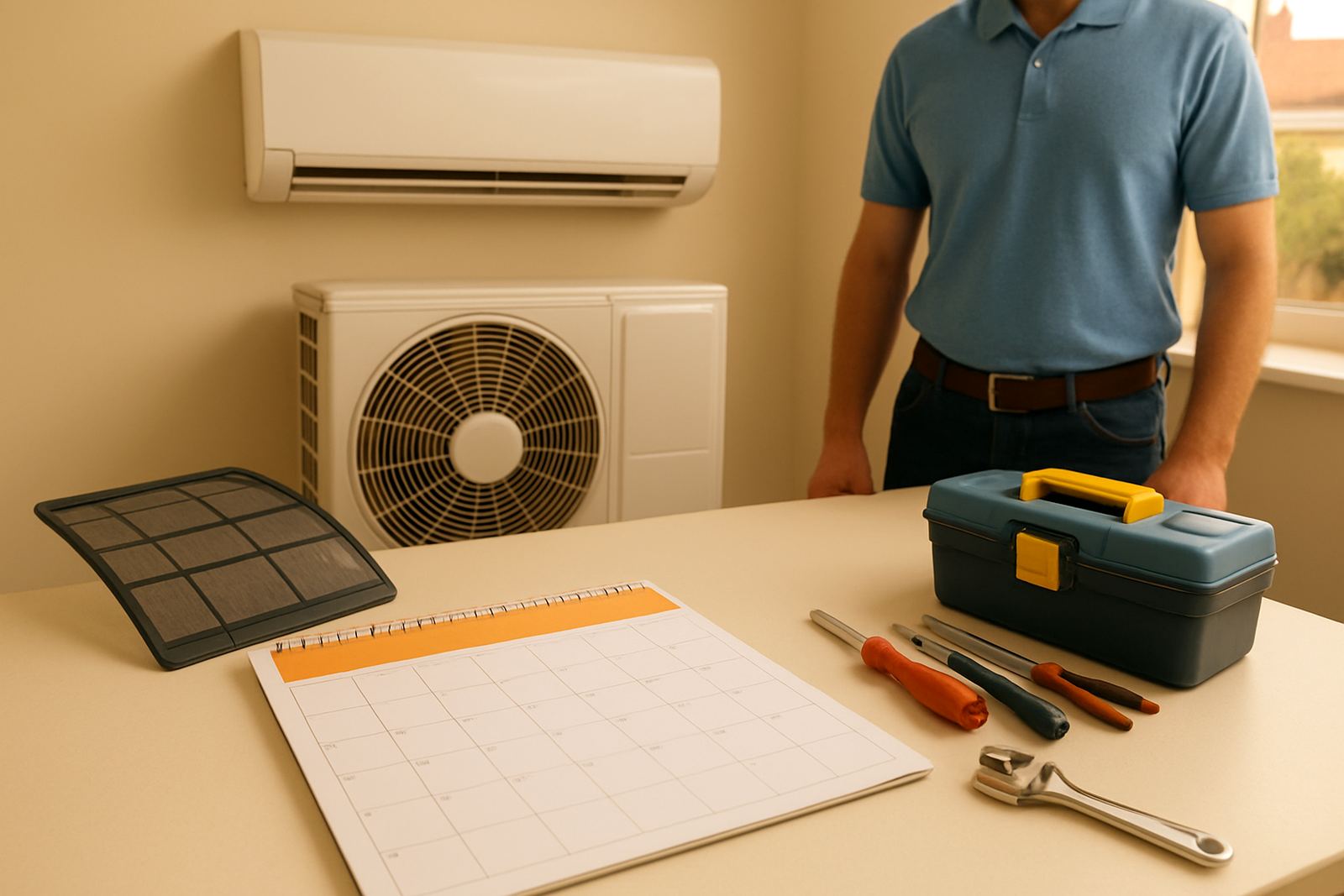
Retail cooling systems work harder than most people realise. Dust from roads, stock rooms and foot traffic can clog filters fast. If the shop is near a busy road or in a mixed use centre, coils and drain lines can collect more dirt than expected. Regular servicing keeps air flow steady and helps avoid breakdowns on a busy Saturday.
A practical maintenance plan should fit the trading pattern of the store. For many shops, early morning servicing before opening works best. Filters should be checked often, especially in stores with open doors and heavy customer traffic. Drain lines need to be clear so water does not drip onto display stock or slip floors. The shop manager should also know who to call when a unit stops cooling or starts making noise, because delays can affect trading very quickly.
- Clean or replace filters on a fixed schedule.
- Check drain lines before the hot season.
- Inspect electrical connections and controls.
- Test cooling performance after servicing, not just the unit start up.
A local example from a busy Gauteng store
A retail outlet in Midrand recently had a familiar problem. Customers were coming in and leaving quickly because the front area felt hot, but the staff insisted the aircon was already running all day. The issue was not only the temperature setting. The entrance doors were open for deliveries, the front glass caught strong afternoon sun, and the indoor unit was fighting heat from ceiling lights as well. The back of the shop was cool enough, but the front was uncomfortable.
After a site check, the shop changed a few things. The front display was moved away from direct sun, the door traffic was managed better, and the cooling was split into zones so the sales floor and storeroom were not treated the same way. The result was steadier comfort and lower running time on the main unit. The manager said the biggest improvement was that customers now spent longer near the counters instead of walking through and out. Simple changes can make a real difference, no need to overcomplicate it.
For shops across Johannesburg North, Sandton, Randburg, the West Rand and the East Rand, the winning formula is the same: control the heat coming in, size the system properly, and keep it serviced before it becomes a problem. That gives you better comfort for customers and less waste on electricity, which matters every month.