Start with the room and the real cooling load
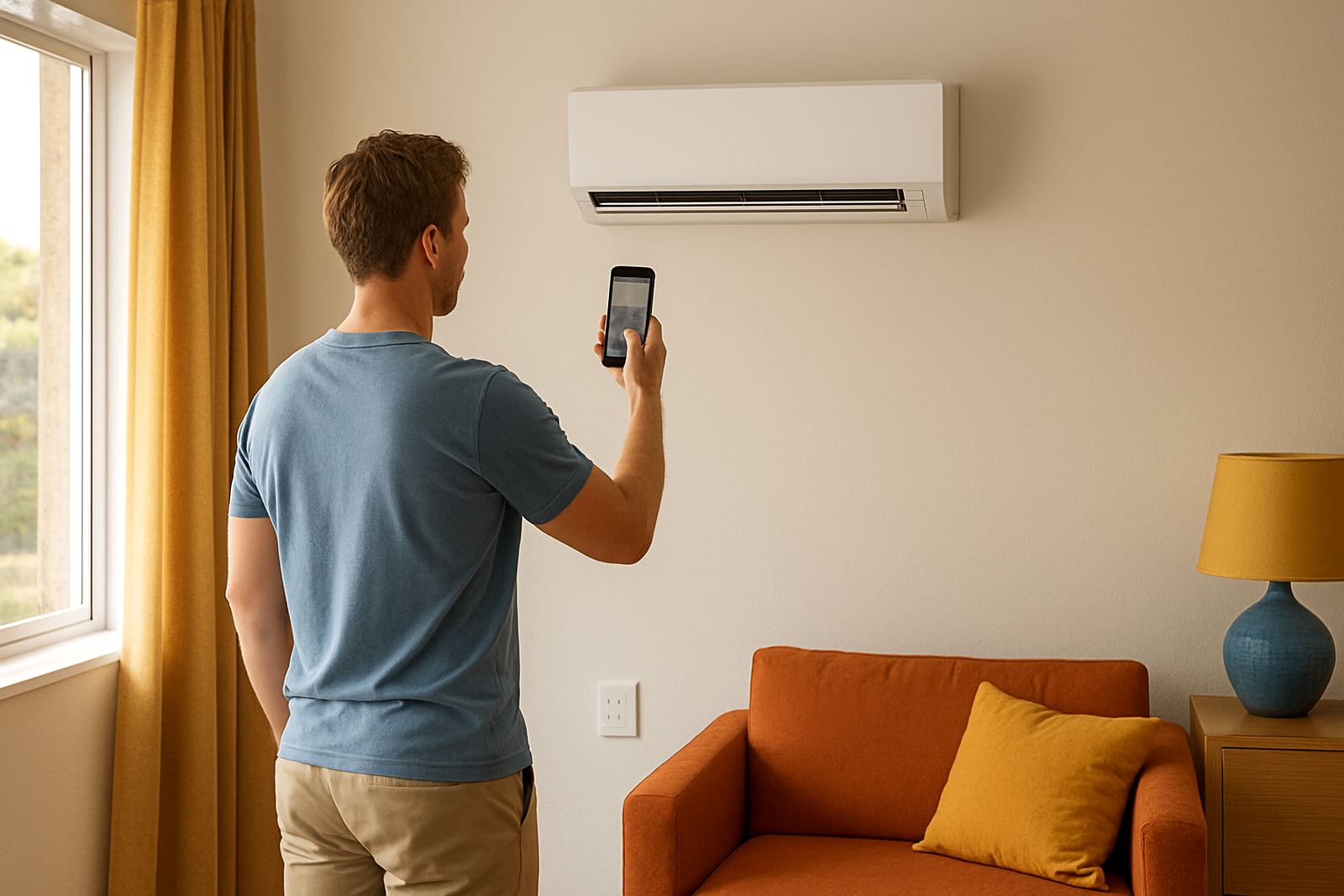
Solar aircon is not one single setup. Some systems use a standard inverter aircon with solar panels and battery support. Others use a hybrid arrangement where the aircon can draw from solar first and then the grid when needed. You need to know exactly what powers the compressor, the indoor fan and the backup function.
A good supplier should explain the difference between daytime-only support and full-day operation. If you want cooling during load-shedding, a small battery may keep the lights on but still fall short on aircon start-up demand. If you want to cool an office through the day and still have backup at night, the system needs more careful planning. Do not assume that a higher panel count alone will solve it.
- Confirm whether the unit is inverter, solar-hybrid or grid-assisted
- Ask what runs during load-shedding and for how long
- Check the start-up draw of the compressor
- Find out if the system can handle morning and evening use
- Ask for the expected runtime on battery alone
Check the panel roof space and shade first
In Johannesburg North, Randburg and Sandton, many homes have enough roof area for a small solar array, but roof direction and shade matter just as much. A chimney, tree, parapet wall or neighbouring building can cut output for part of the day. On a solar aircon system, that lost generation may mean the aircon falls back on the battery or the grid sooner than planned.
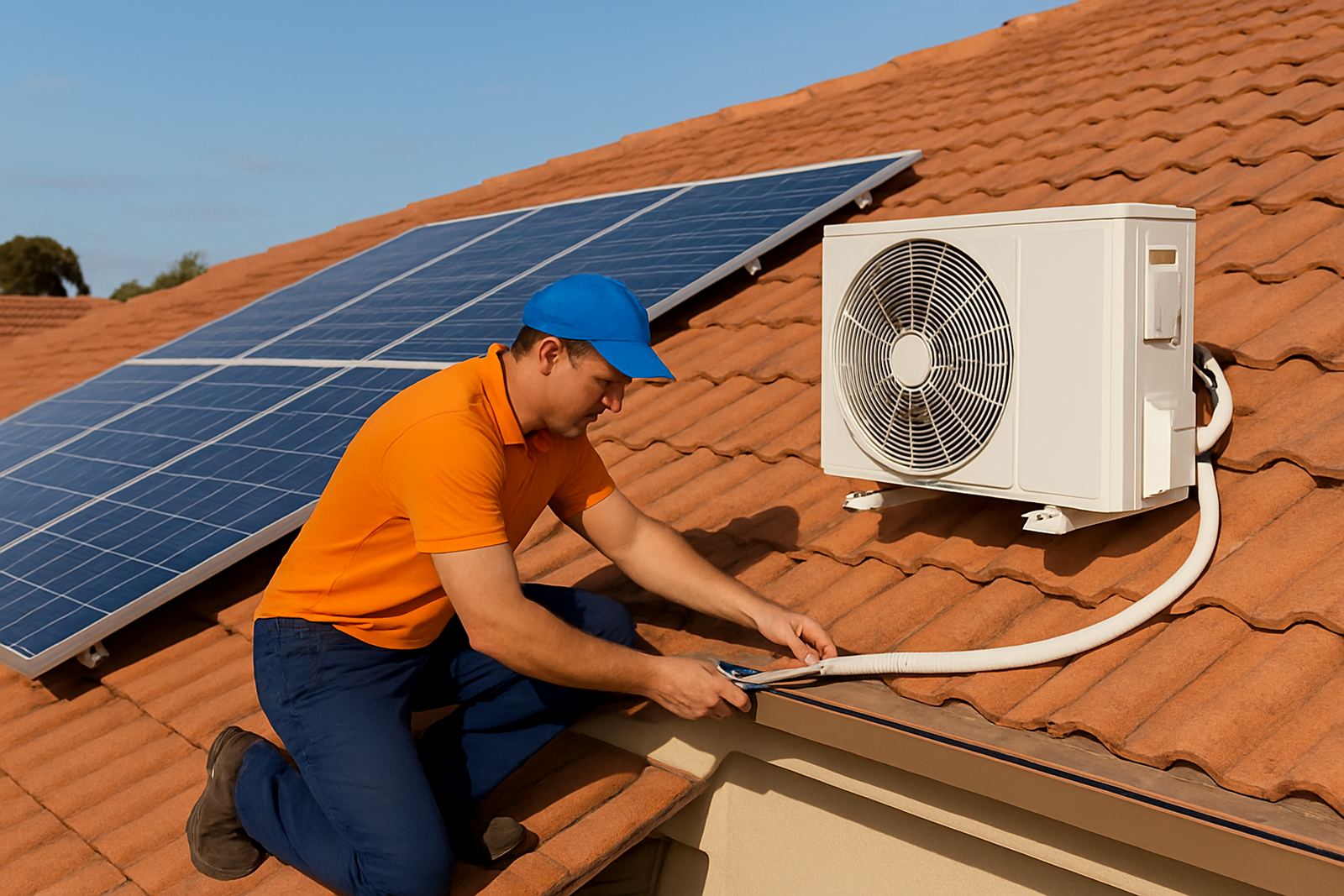
Look at where the panels will go and whether they will face clean sun for most of the day. On tiled roofs, the mounting has to be neat and weather-tight. On flat roofs, the tilt and spacing need to avoid dust build-up and standing water. In humid areas or where wind gets under the roof edge, proper fixing matters a lot. Municipal and body corporate rules may also affect where equipment can sit and how cabling is routed.
- Check for shade between 9:00 and 15:00
- Confirm roof condition before mounting anything
- Ask how the cables will enter the building
- Check if body corporate or landlord approval is needed
- Make sure the mounting will not damage waterproofing
Battery size decides how useful the system really is
Many buyers focus on panels and forget the battery, but the battery is what carries the aircon through cloud cover, evening cooling and load-shedding. If the battery is too small, the system may run well for a short time then drop off when you need it most. If it is too large for the use pattern, you pay for storage you do not need.
The right size depends on how many hours you want cooling, the inverter efficiency and whether the aircon is the only major load. A home in East Rand that wants one bedroom cooled at night needs a very different battery plan from a small office in Midrand that keeps two or three rooms cool during the day. Ask for usable capacity in kilowatt-hours and not only the advertised battery size. Also ask how many cycles the battery is expected to handle over time.
Installation quality affects performance and warranty
A solar aircon system can only perform as well as the installation. Poor cable sizing, weak mounting, bad drainage or sloppy refrigerant work will show up later as nuisance trips, leaks or low cooling. In Gauteng, where summer storms and winter dust are part of the job, the installation has to be neat and properly tested.
For supply-and-fit jobs, ask who handles the aircon, who handles the solar side and who is responsible if something does not work after handover. The installer should test all modes, including grid-only, solar-assisted and battery backup if that applies. Drain points must be set correctly so condensate does not drip onto ceilings or outside walls. If the system is for an office, make sure the site plan includes cable routes, switchgear and safe access for servicing. A good handover saves a lot of trouble later, no question.
Use the right checklist before you place the order
Before you pay, run through a practical checklist. It should cover the room size, cooling capacity, solar yield, battery runtime, mounting space and service access. If the system is for a home in Randburg or a shop in Johannesburg North, it should also suit your daily schedule and your power backup plan. Buying on price alone often means paying again later to correct the setup.
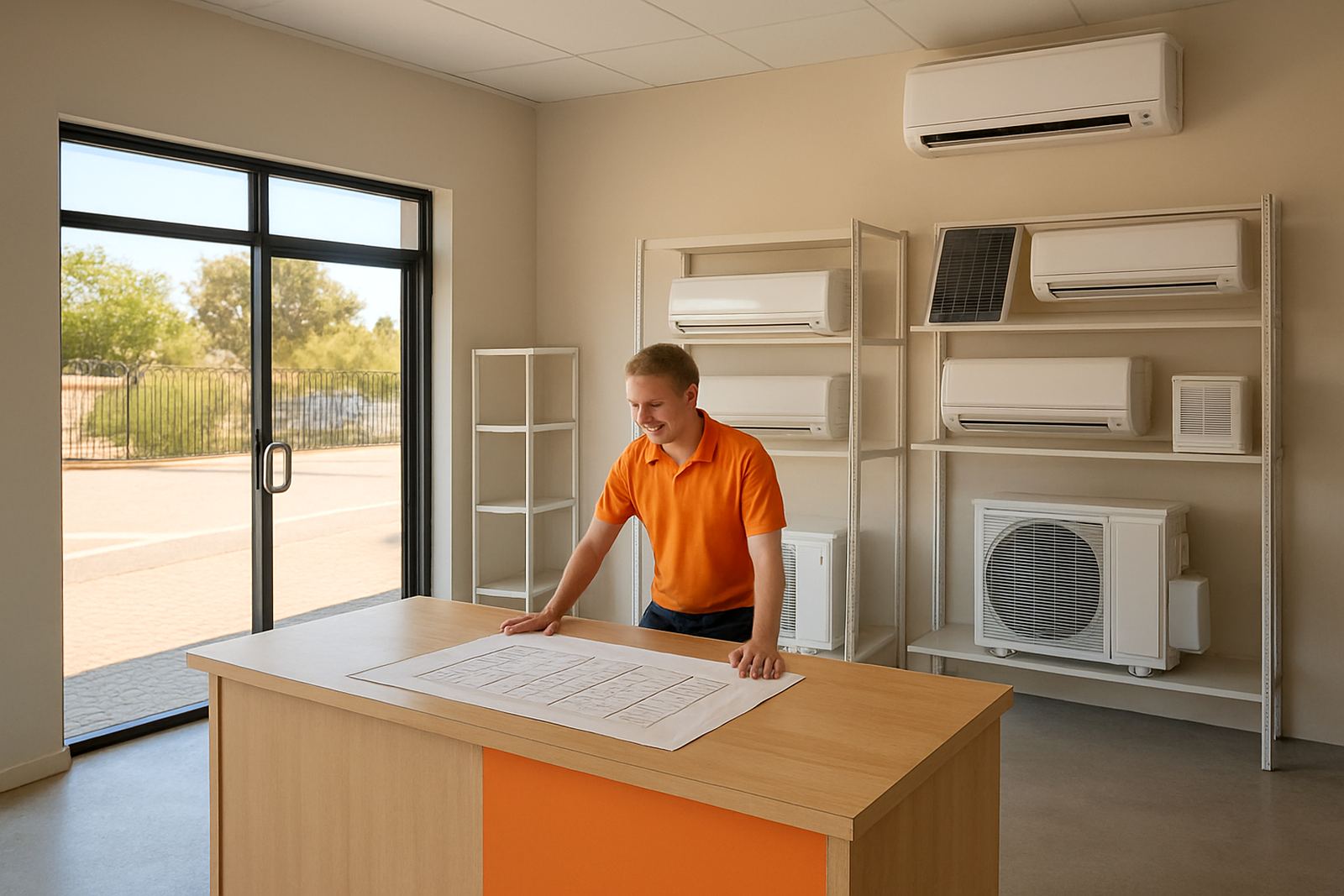
It also helps to compare the cost of a full solar aircon system with a standard inverter unit plus separate solar support. Sometimes the simpler option gives better value, especially for a single room. For offices, a site survey is worth it because staff numbers, server rooms and trading hours change the load. If you are also looking at heat pumps or atmospheric water generators on the same property, plan the electrical capacity together so the system is balanced from the start.