What a 9000 BTU inverter split unit does
A 9000 BTU inverter air-conditioner is made for smaller spaces that need regular cooling without the stop-start cycle of a basic unit. The inverter compressor changes speed to hold the set temperature more evenly, which helps with comfort and can reduce power draw once the room is at temperature. In summer that matters in Gauteng where midday heat builds fast, and at night too when a bedroom keeps holding warmth.
This size is usually best for one room rather than an open-plan area. It works well when the room has standard ceiling height, decent insulation, and not too much direct sun through west-facing glass. If the room is on the top floor, has a lot of electronic equipment, or faces strong afternoon heat, sizing needs a proper check before order. A unit that is too small will run hard all day, while an oversized unit may cool quickly but not manage humidity as well.
Where this size fits best in homes and offices
The 9000 BTU model is often chosen for rooms of about 12 m² to 18 m², though the final call depends on the building, window size, insulation, and how many people use the room. In Johannesburg North and Sandton we often see it fitted into bedrooms, home offices, small boardrooms, treatment rooms, and upstairs flats. It is also common in Randburg and Midrand units where the room is compact but gets strong sun for part of the day.
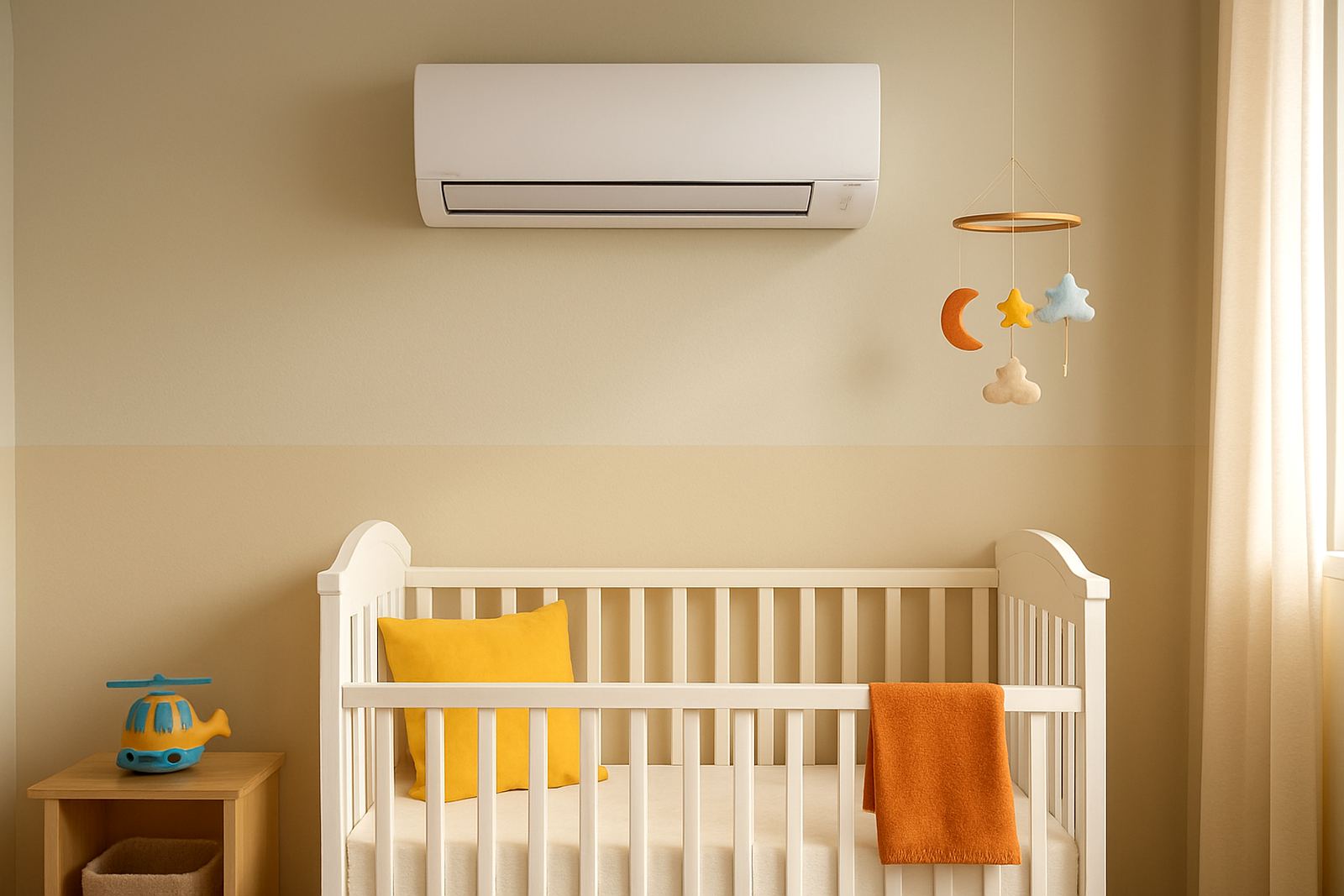
- Bedrooms and nursery rooms
- Small private offices and meeting rooms
- Consulting rooms and reception side offices
- Compact retail counters and back rooms
- Garden cottages, bachelor units and small apartments
If you are cooling a room in a coastal area later on, salt air and humidity can shorten service life if the outdoor unit is not kept clean. In Gauteng the bigger concern is dust from roads and building sites, especially around the East Rand and West Rand, so the filter and indoor coil need regular care.
Sizes, variants and common options
When people ask for a 9000 BTU inverter, they usually want a split wall unit with an indoor head and outdoor condenser. Within that class there can still be useful differences. Some units focus on very low power use, some are quieter for bedrooms, and some include stronger dehumidifying control for muggy summer weather. If the room is used through winter as well, a model with heating can be worth considering for mornings and cold snaps.
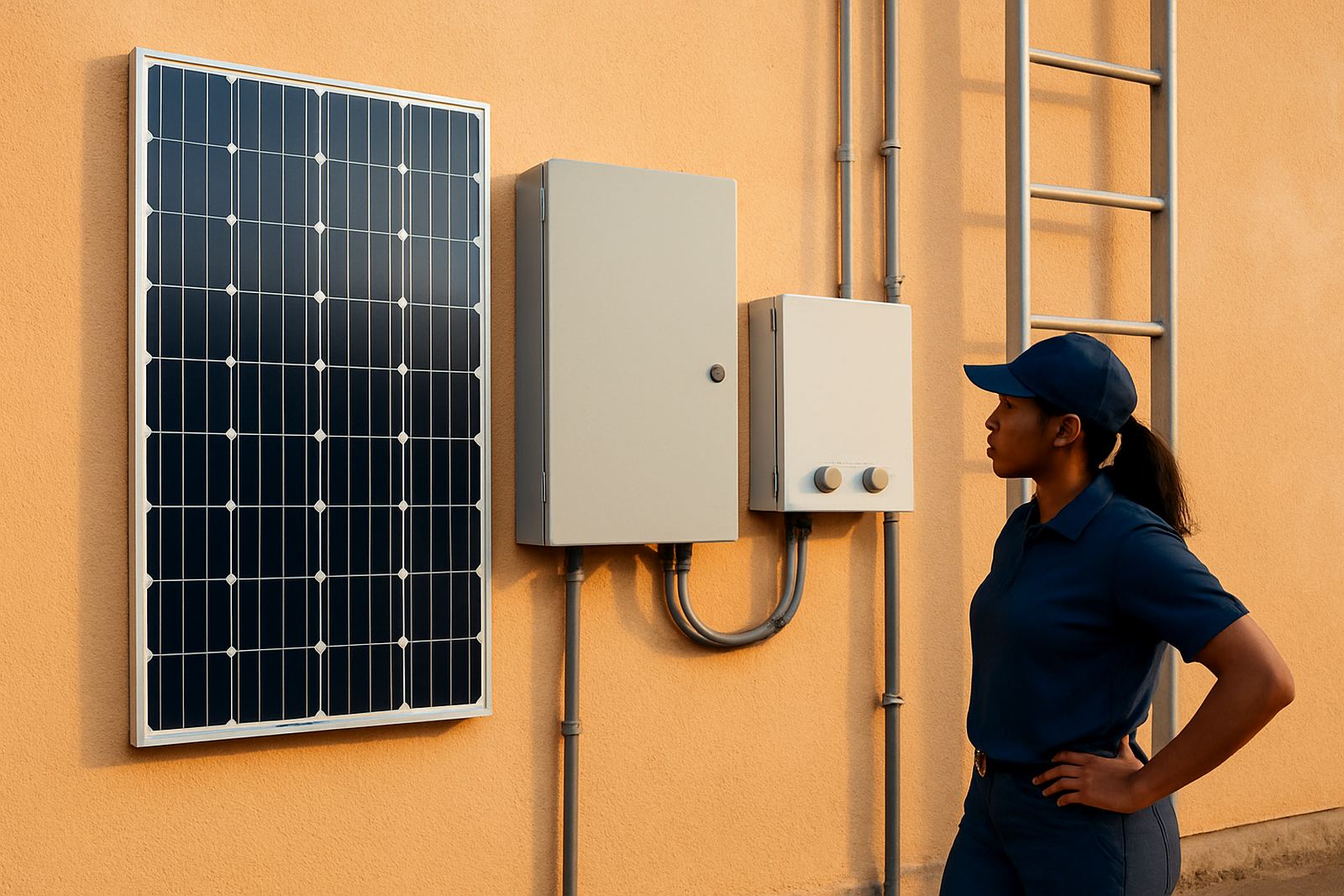
We also supply units suitable for solar-backed systems, but the inverter aircon itself still needs to be matched to the available power and the wiring on site. If the house or office already has a dedicated point and the cable route is short, installation is usually more straightforward. If the building is older, or the outdoor wall is awkward, planning the pipe route and drain line becomes just as important as the unit selection.
- Standard inverter split for everyday cooling
- Quiet-running option for sleeping areas
- Heating and cooling models for year-round use
- Units suited to backup power or solar support
- Low-profile indoor heads for neat wall mounting
Installation, power and refrigerant considerations
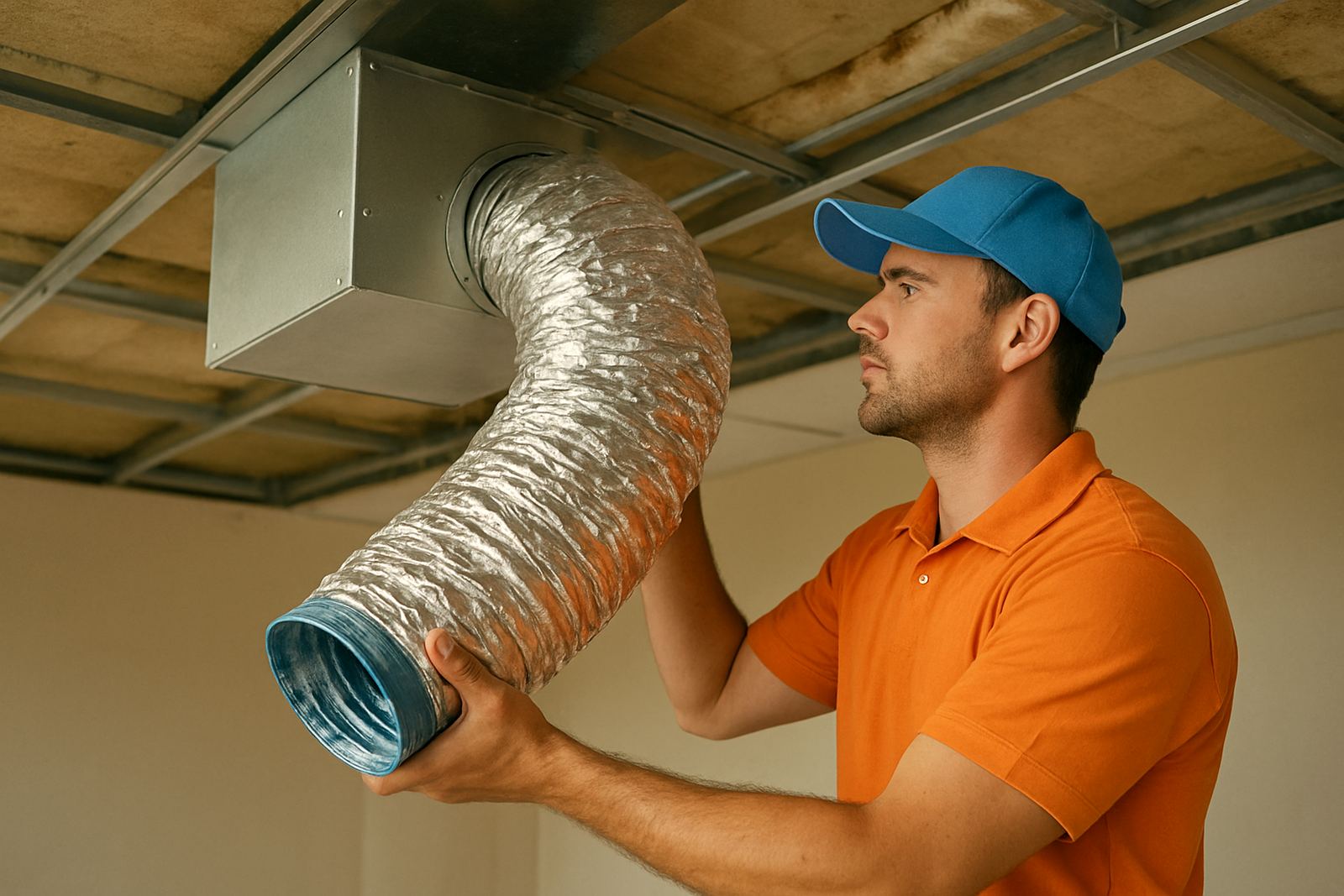
Supply-and-fit should include the correct brackets, pipe work, electrical connection, drainage and commissioning. For a 9000 BTU inverter, the installer should confirm the wall strength, the outdoor unit position, and how the condensate will drain so it does not drip onto paving or run into a neighbour’s area. In many Gauteng complexes there are body corporate rules on where the outdoor unit can sit, and some municipalities or estate managers want noise and appearance kept under control.
Electrical load should be checked before installation. Inverter units are efficient, but they still need a proper circuit and protection. If the building already has heavy loads from geysers, fridges, pumps or office equipment, the electrician should confirm the breaker size and cabling. Gas charge is handled at commissioning and during repairs only by a qualified technician, because a correct vacuum and pressure check are needed for reliable performance. A poor installation can cause weak cooling, icing, or nuisance fault trips, and that leads to callbacks nobody wants.
For offices and commercial rooms, a site survey can save trouble by checking pipe runs, roof access, outside wall height, and whether the outdoor unit will be exposed to dust, sun or theft risk. On some sites an extra cage or raised bracket is worth it.
Care, cleaning and service intervals
An inverter unit lasts longer when the filters are cleaned regularly and the indoor coil is kept free of dust. In a home, every few weeks is a fair rule if the room is used daily. In an office or salon with more movement, more frequent cleaning may be needed. The outdoor unit should also be kept clear of leaves, papers, weeds and other debris. If the fins are bent or the fan sounds uneven, get it checked before the problem grows.
Service should cover air flow, drain function, electrical terminals, refrigerant pressure, and general operating temperatures. A weak drain can cause water marks on the wall or ceiling, and a blocked filter can make the unit work harder than needed. In load-shedding areas, repeated power cuts and surges can affect electronics too, so surge protection and correct restart settings are worth asking about. A maintenance plan helps keep records in one place and makes seasonal servicing easier.
- Clean or wash filters on a set schedule
- Keep the outdoor coil free of dust and grass cuttings
- Check for water leaks or musty smells
- Book a service before summer peak starts
- Use surge protection where power quality is unstable
What to confirm before you order
Before ordering, measure the room and note what is in it. A room with a lot of people, computers, fridges, glass, or afternoon sun may need more than the usual estimate. Also check whether the wall can take the indoor unit, where the outdoor unit will stand, and how far the pipes must run. If the site is in Sandton, Randburg, Midrand, the East Rand or the West Rand, access and parking can affect installation timing, so it helps to share those details early.
You should also confirm whether you need cooling only, or cooling plus heating. Ask if the unit is suitable for the power supply on site, especially if the property uses backup power or solar support. If the room is in a rental or sectional title property, get approval for the outdoor unit position before work starts. It avoids disputes later on, and saves time on the day. Our team can help match the unit to the room, then arrange delivery, installation, servicing or replacement as needed.
Key facts
| Capacity | 9000 BTU |
|---|---|
| Type | Inverter split air-conditioner |
| Best room size | About 12 m² to 18 m² |
| Use | Cooling, and on some models heating |
| Power requirement | Dedicated electrical supply recommended |
| Typical application | Bedrooms, small offices, consultation rooms and compact living spaces |