How an AWG turns air into water
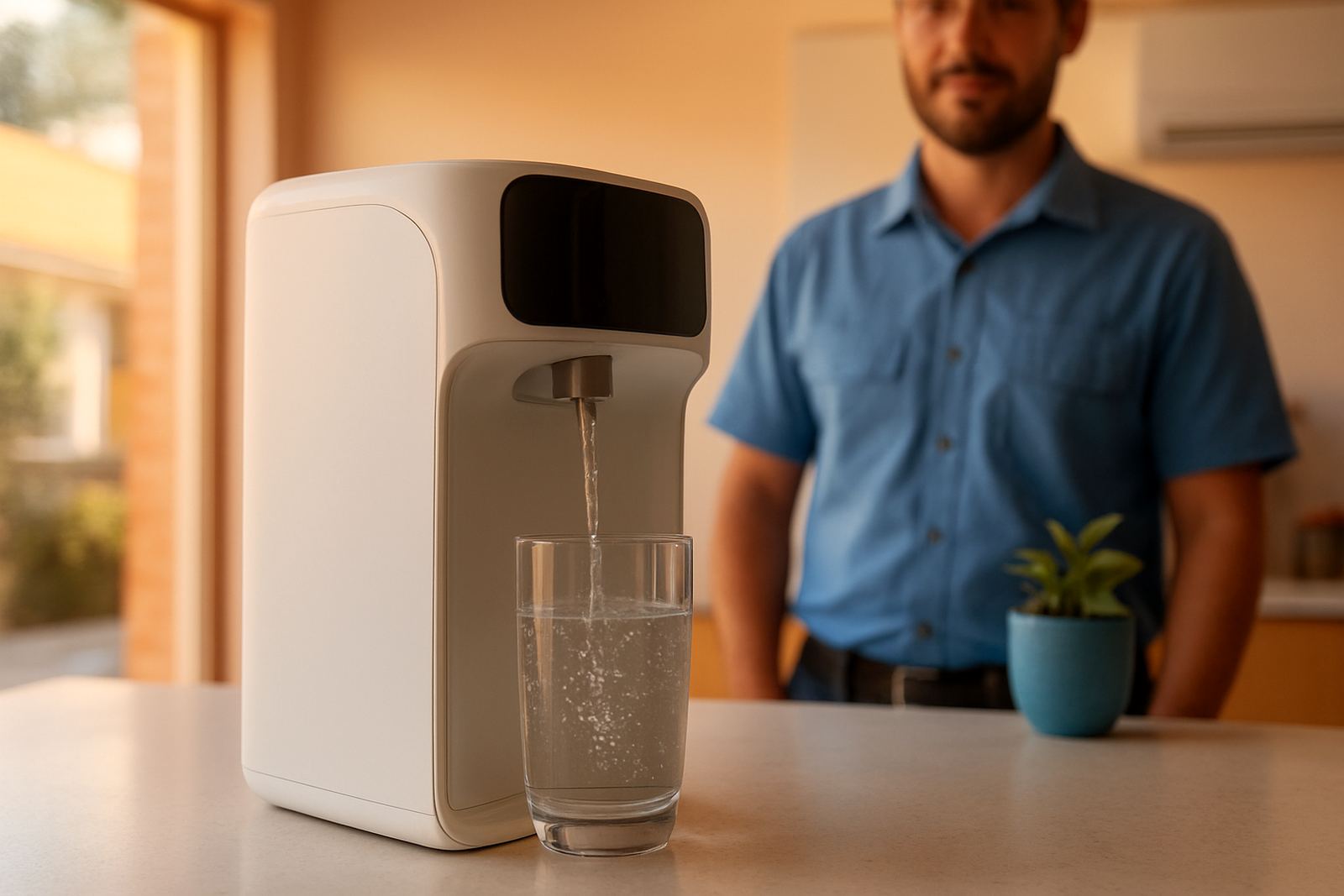
An AWG pulls in air, cools it down so the moisture condenses, then filters and stores the water for use. The idea is simple, but the performance depends on temperature, humidity, airflow and how clean the filters are kept.
In plain terms, warmer and more humid air gives better output. A dry Highveld winter morning will produce less water than a damp summer afternoon in Randburg or Sandton. That is normal, and it is why the unit should be selected for the actual site, not only the brochure figure. When the machine is sized correctly, it can become a useful extra water source for homes, small offices and certain light commercial sites.
- Air enters through a filtered intake
- Moisture condenses on cooled coils
- Water passes through filtration and storage
- Built in controls manage temperature and safety
Where an AWG makes sense in Gauteng
AWGs are best used where you want a supplementary source of water, not as the only source for a big property. In Johannesburg North, Midrand and the East Rand, they can help with drinking water, tea points, small kitchens, clinics, offices and staff rooms. They also work well where water disruptions are a headache and you need a local backup for selected taps or dispensers.
They are not the first choice for heavy irrigation, high volume industrial washing, or large buildings with major daily demand. If a property uses thousands of litres a day, the energy cost and production limits need to be looked at carefully. A smaller office in Sandton might only need a modest unit, while a guest house in Randburg may want more capacity plus proper storage. The right answer is often a mix of water saving steps, good plumbing and an AWG as backup.
- Homes wanting safe water for drinking points
- Offices with regular tea and coffee use
- Sites with unreliable municipal supply or pressure
- Light commercial spaces with controlled daily demand
What affects AWG output and running costs
Three things matter most: humidity, temperature and power use. On the Highveld, day and night conditions change a lot, so output can swing between seasons. In summer you may get better production, while in winter the same machine can make less water and use more power per litre.
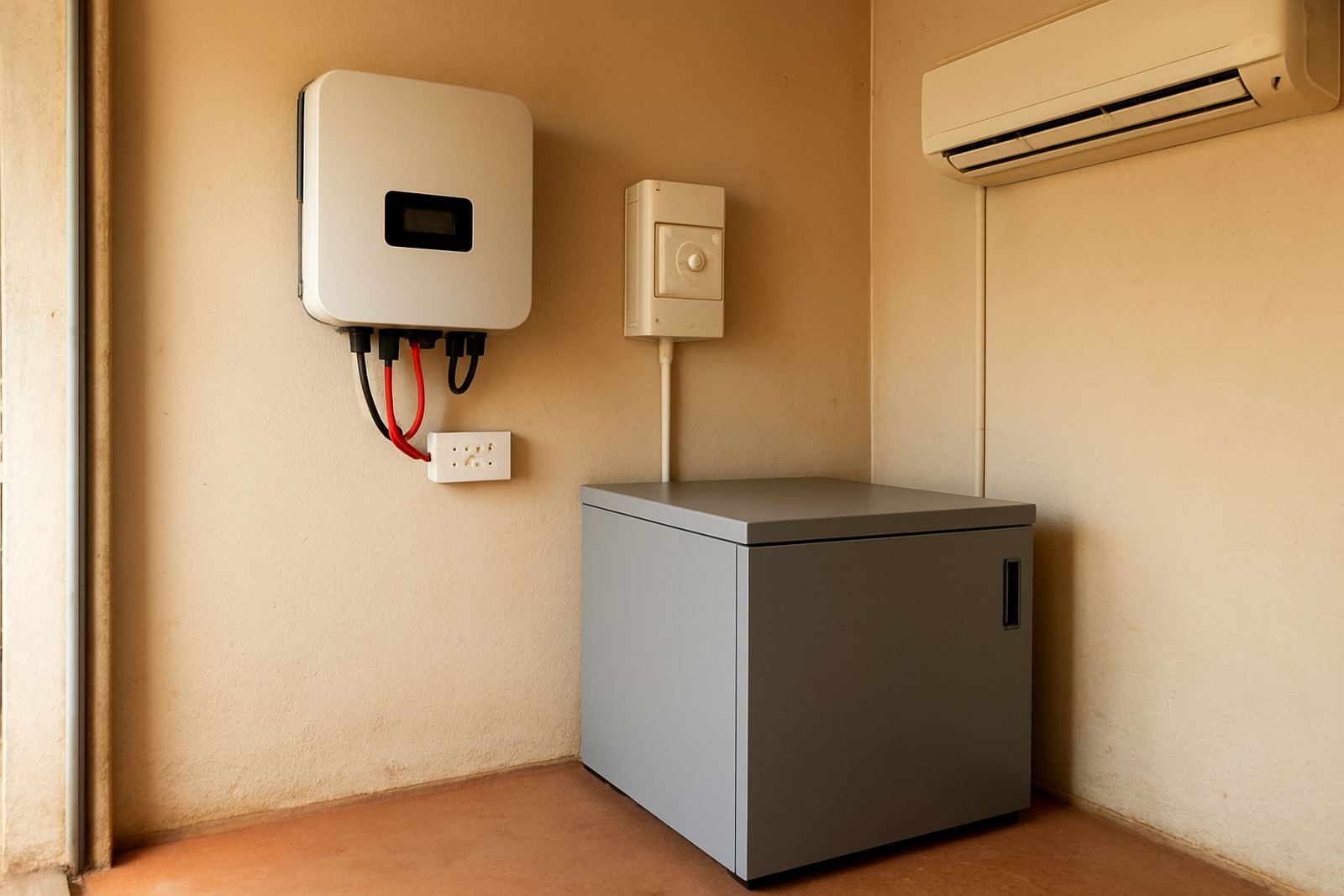
That is why an AWG should not be sold as magic. It is equipment, and like any equipment it needs the right conditions to work well. If the area is very dry, if the room is poorly ventilated, or if the filters are dirty, the output will drop. Electricity supply also matters. In load shedding areas, an AWG may need inverter backup or generator support if you expect regular water production. For some premises, the cost per litre can still make sense when weighed against bottled water, delivery delays and the hassle of storage tanks.
Ask for the expected litres per day at your local conditions, not just the maximum figure. A unit that promises plenty in coastal humidity may give less in Johannesburg winter. It is a small detail but it makes a big difference.
Installation points that are often missed
AWG installation is not only about plugging in a machine. You need airflow, drainage, safe electrical supply and a sensible place for the water to be stored or dispensed. The room should be clean, reasonably ventilated and easy to service. If the unit is squeezed into a hot cupboard or a dusty storeroom, it will struggle.
We also look at where the condensate and waste water goes. Some AWGs produce small amounts of drain water during normal operation and cleaning cycles. That needs a proper route to waste, not a bucket on the floor. In offices, the water point must be easy for staff to use without causing spills or cross contamination. In some commercial spaces, a site survey is worth it before any purchase is made.
- Check power supply and protection
- Allow enough clearance for airflow and service access
- Plan drainage before the unit arrives
- Choose a clean spot away from heat and dust
Maintenance that keeps water quality steady
Good water quality depends on good maintenance. Filters need changing on schedule, tanks should be cleaned, and the intake area should be kept free of dust. In a city like Johannesburg where dust and building work are common, this matters more than people think. If the filters clog, the unit works harder and the water quality can slip.
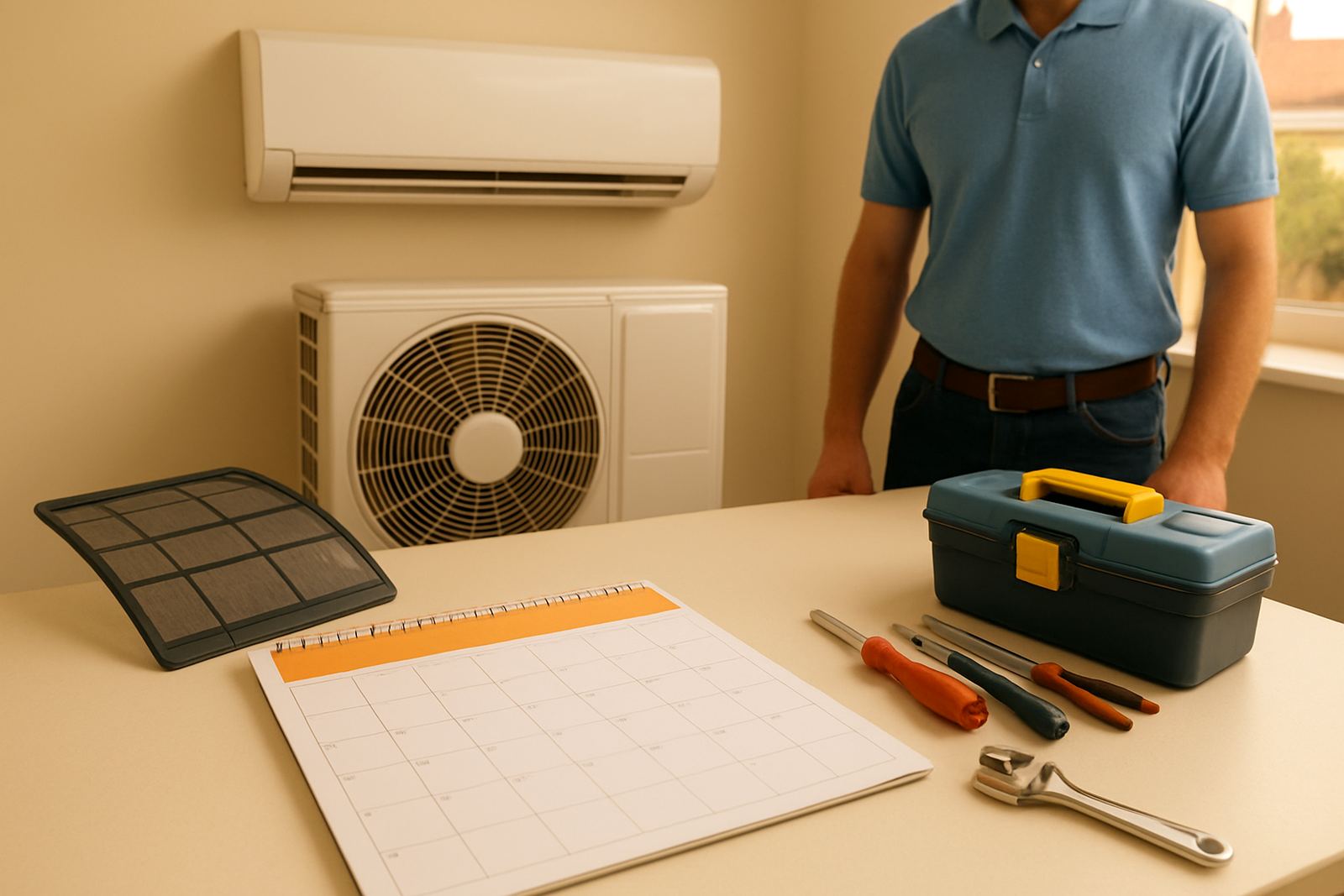
A proper service plan should cover filter changes, coil cleaning, tank checks and a look at the electrical components. If the machine is used every day, monthly visual checks are a good habit. If it is in a busier office or staff kitchen, service intervals may need to be tighter. It is also wise to keep a log of water production, filter changes and any odd noise or smell. That makes faults easier to spot before they become costly.
When the water is meant for drinking, make sure the full filtration setup is correct and the storage container stays sealed. Clean equipment gives peace of mind, and avoids those awkward complaints from staff about taste or odour.
A practical Johannesburg example
Take a 20 person office in Johannesburg North. The team wants water for drinking, tea and a small kitchenette, but municipal pressure is inconsistent and bottled water deliveries are becoming a nuisance. In that case, an AWG can work as a useful backup source, paired with a small storage tank and a point of use dispenser. The office still keeps an eye on power use, but it gains more control over day to day water access.
Now compare that with a large warehouse on the West Rand using water for cleaning, dust suppression and staff facilities. An AWG alone will not cover the whole load. Here the better solution may be rainwater harvesting, a tank system, and an AWG for drinking water only. That mix keeps the cost sensible and the equipment matched to the job.
For most buyers, the question is not whether an AWG works. It is where it works best, how much water is really needed, and what backup is already in place. Once those basics are clear, the choice becomes much easier.