What load shedding does to an aircon system
When power cuts out, most split systems and inverter units stop at once. That part is normal. The bigger issue comes when supply returns and the unit tries to restart while the network is still unstable, or when several appliances come back at the same time. In Johannesburg North and Sandton we often see this after evening outages, especially in older buildings with long cable runs and tired breakers.
An aircon compressor needs a clean start. If voltage is low, or the unit receives a quick on off cycle, the system may delay starting, trip the isolator, or in some cases throw an error code. In offices this can mean warm meeting rooms by 08:00. In homes it can mean a bedroom unit that works for ten minutes then stops again, which is very frustrating.
The short answer is simple: load shedding itself is not the enemy, but poor restart conditions can be.
Why some units restart fine and others struggle
Not every aircon behaves the same after a blackout. Standard split units usually wait a short time before starting again. Inverter units are smarter about speed control and can cope better with voltage changes, but they still need stable incoming power. Solar aircons can help reduce grid dependence, although they must still be installed correctly with the right protection on the supply side.
If a unit keeps tripping after power returns, the cause is often outside the machine itself. Common problems include:
- Low voltage after the outage ends
- Undersized cabling or loose terminations
- Dirty filters causing higher starting load
- Compressor strain from repeated short cycles
- Incorrect changeover on backup power systems
We see this most in older suburbs where the electrical board has been patched over time. A proper site check can save a lot of downtime later on.
Backup power and aircon, what must be planned first
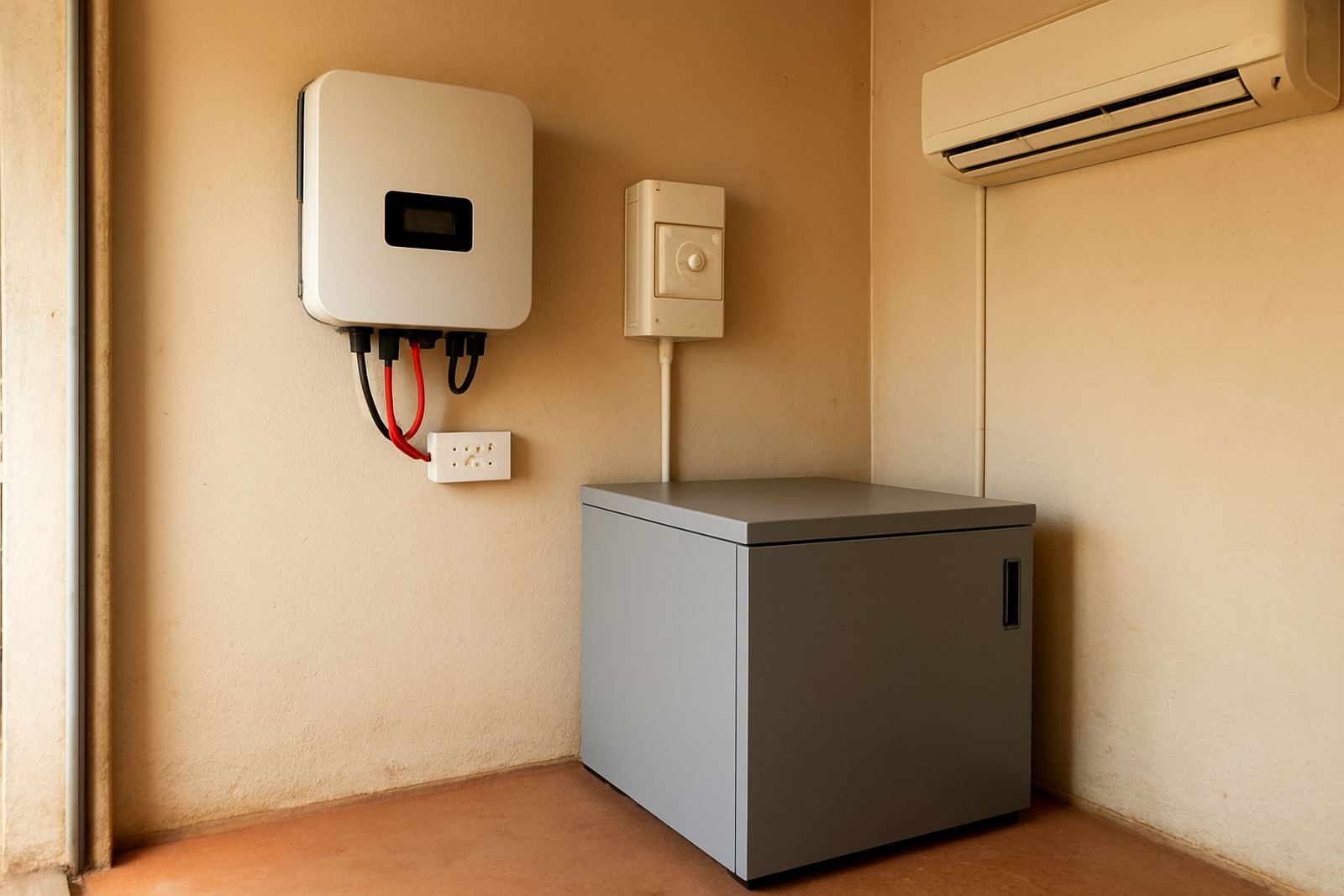
Backup planning should start with the question of what must run, and for how long. A single bedroom aircon is very different from a boardroom system or a small open-plan office. If the backup source is too small, the aircon may start but not stay on, or it may cycle badly and waste power. If the changeover is not set up right, you can also end up feeding unstable power into the unit, which is risky.
For homes, the best approach is usually to decide whether the aircon is for cooling only during the cut, or for limited use during the evening and night. For offices, backup should be linked to occupancy times. There is no point trying to keep every room chilled through stage 4 if only two rooms are in use.
- Check the aircon size in kW and the actual starting load
- Confirm whether the backup supply can handle compressor start up
- Allow for surge protection at the distribution board
- Keep the unit on a dedicated circuit where possible
- Test the changeover before summer arrives
A good plan keeps the system practical, not just powered.
How to protect the compressor and indoor electronics
The compressor is the part most likely to suffer if power quality is poor. The indoor board and sensors can also be affected by repeated interruptions. That is why we always advise proper protection, not just hope. In Gauteng, where storms and load shedding can happen in the same week, this matters more than people think.
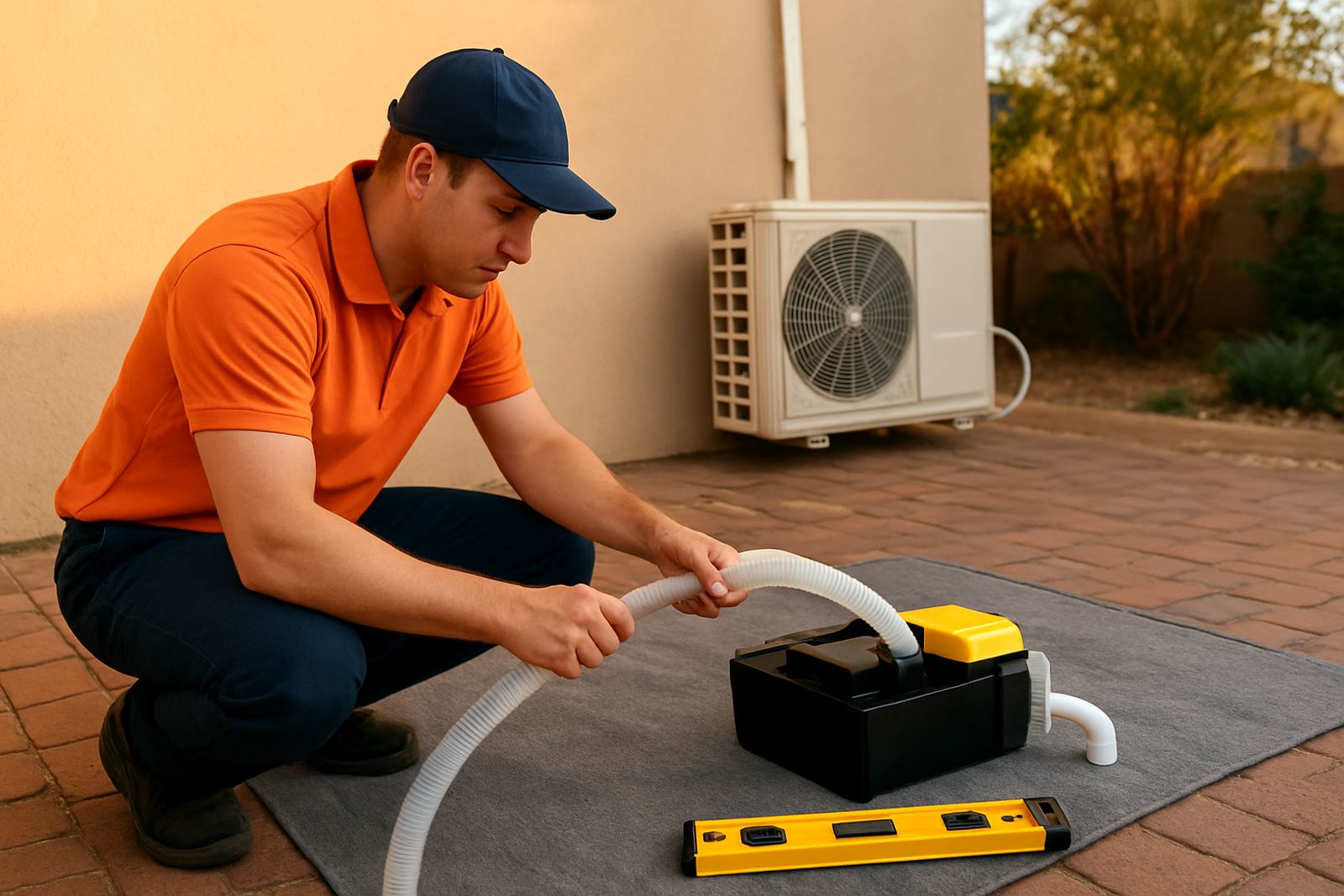
Useful protection steps include surge protection, correct isolators and proper earthing. In some buildings a time delay relay is also useful because it prevents immediate restart after power returns. This gives the grid a moment to settle and reduces hard starting. On inverter systems, a clean supply and a proper installation make a big difference, especially where several units share one supply.
If the unit has been running hard all day and then power drops, do not keep switching it on and off. Let it reset properly. Repeated forced restarts can lead to more wear than the outage itself.
Practical habits that make load shedding less disruptive
Small habits help a lot. Clean filters are one of the easiest wins because a blocked filter makes the aircon work harder to reach the set temperature. That means higher current draw and a greater chance of trouble when power returns. It also helps to keep windows and doors closed during operation, because the unit does not need to fight outside heat and dust.
For offices and retail spaces in Sandton, Randburg and Midrand, staff should also know the restart sequence. If everyone switches every appliance on at the same minute, the load spike is much worse. It is better to bring systems back in stages. For homes, set a sensible temperature rather than chasing very cold air straight after an outage. A steady 22 to 24 degrees is usually easier on the unit than a quick drop to 18.
Where possible, get the aircon serviced before summer. Dust, blocked drains and weak capacitors are much more likely to show up when the unit is asked to restart after a blackout. A unit that has been properly maintained simply handles the stop start cycle better, plain and simple.
A Johannesburg North example from a mixed-use property
A small office block in Johannesburg North had four split units serving consulting rooms and a reception area. During frequent outages the units were coming back on at different times, and one room kept tripping the supply. The team thought the aircons were faulty, but the problem was a mix of unstable restart and an overloaded circuit. After a site survey, the units were separated onto better protected circuits, surge protection was added, and a short delay was set before restart.
The result was not magic, just sensible planning. Power cuts still happened, but the building no longer lost an entire morning because one unit failed to recover. That is the point of planning for load shedding. You cannot stop the cut, but you can stop it from turning into a bigger breakdown.
For homes, the same thinking applies on a smaller scale. One well set up bedroom unit can make a hot night manageable, while a badly protected system can leave you with a warm room and a callout the next day.
When to call for a check before summer gets busy
If your aircon hums, trips, restarts slowly or smells hot after power comes back, get it checked. The sooner the cause is found, the better the chance of avoiding a bigger repair. It is worth asking for a proper inspection if you are fitting new units, moving an existing system, or planning to add backup power in an office or home.
At Airconditioning Superstore, we handle supply and fit, replacements, relocations, servicing and repairs across Johannesburg North, Sandton, Randburg, Midrand, the East Rand and the West Rand. We also assist with heat pumps and water generators, so if your property needs more than one kind of climate or water solution, it can be planned together. Load shedding is not going away soon, so the sensible move is to make the aircon work with it rather than against it.