When the repairs keep coming back
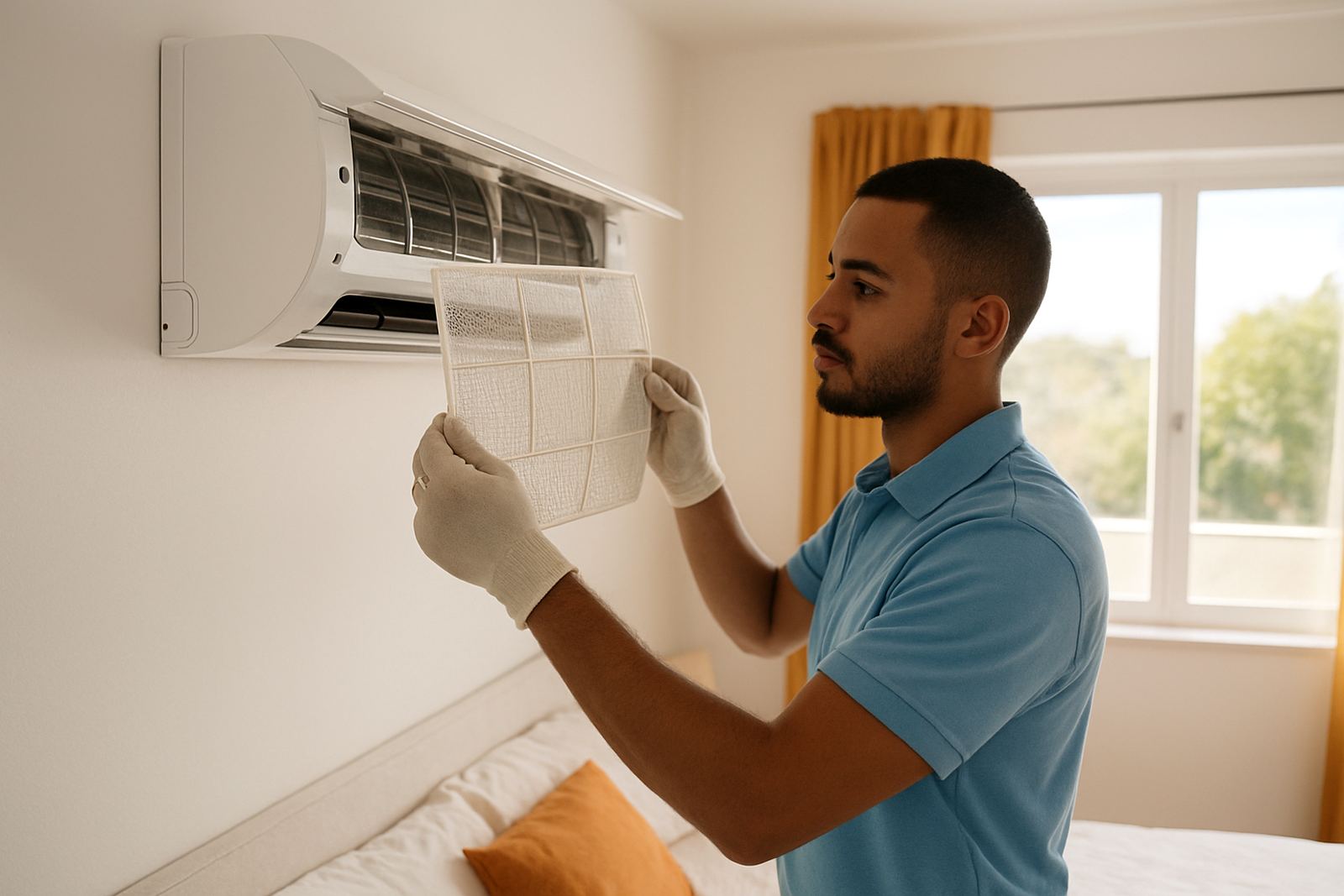
A single repair is normal. Repeated callouts are not. If the same aircon keeps losing gas, tripping the breaker, or shutting down after a short while, the system may be reaching the end of its useful life. In many homes and offices across Johannesburg North, Sandton and Randburg, we see older units that have had two or three major repairs in a short period, and the owner is still left with poor cooling.
A good rule is to compare the repair quote with the age of the unit and the chance of another failure. If the compressor, control board, fan motor or indoor coil is involved, the bill can get close to the cost of a new system. Then the question is not can it be fixed, but whether it makes sense to keep patching it.
- More than one major fault in 12 months
- Parts are becoming hard to source
- The aircon works again, then fails soon after
- The service team cannot guarantee the next season
Weak cooling and longer run times are warning signs
If the unit runs for hours and the room still never feels right, the system may have lost capacity. In summer that means long run times, higher electricity use, and a room that stays sticky instead of comfortable. Older fixed-speed units often struggle most during peak heat in Midrand, the East Rand and West Rand where afternoon temperatures can climb quickly.
Another clue is uneven cooling. One room is cold, another is warm, and the unit never seems to settle. Sometimes this comes from poor installation or dirty filters, but if cleaning, gas checks and normal servicing no longer help, the machine may simply be too small, too old, or too worn for the space. A replacement with the right sizing can make a real difference.
Look out for these signs too:
- The aircon runs almost all day to keep up
- The set temperature is never reached
- Some rooms cool, others stay warm
- The unit cycles on and off in short bursts
Higher power bills and load-shedding pressure
Older aircons usually use more electricity than newer inverter models. That matters in Gauteng where many households and offices already have geysers, pool pumps, fridges and backup equipment on the same supply. If your electricity bill has climbed and the aircon is one of the heaviest users, an upgrade can help bring the monthly cost down.
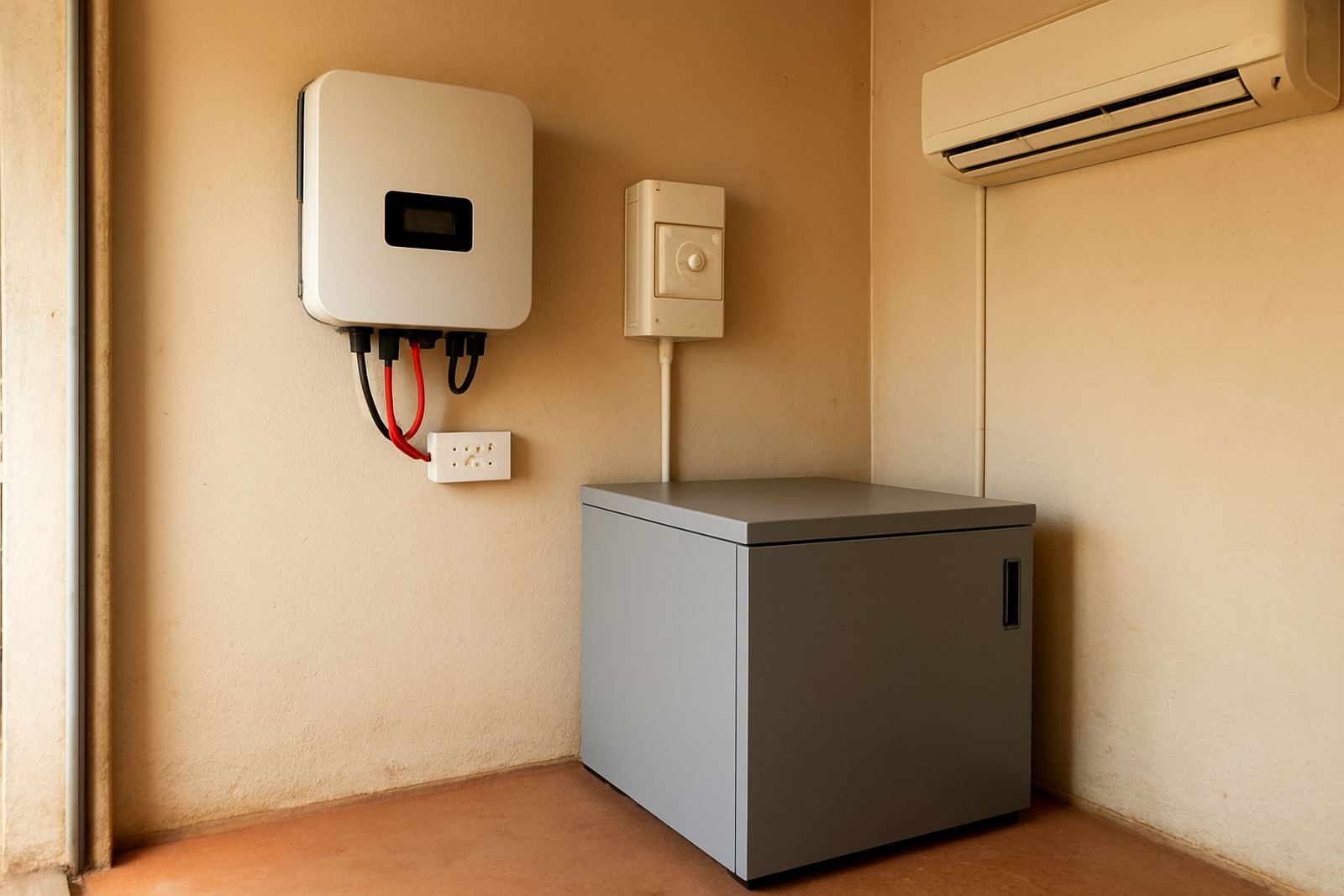
Load-shedding also changes the picture. After each outage, old systems may struggle to restart cleanly or draw a heavy starting current. That can be hard on the unit and on the rest of the electrical installation. Newer inverter systems tend to start more smoothly and can suit homes and small offices where power is not always steady.
If you are comparing running costs, ask for a straight answer on the following:
- Approximate power draw in normal use
- Whether the current unit still cools efficiently
- How much of the bill is from the aircon, not the whole property
- Whether an inverter replacement could reduce day to day use
Noise, odours and leaks are not just nuisance issues
A rattling outdoor unit, buzzing indoor fan, or water dripping from the ceiling line should not be ignored. Some faults are minor, but recurring noise and moisture often point to deeper wear. In coastal air, the problem can happen faster, but even in Johannesburg dust build-up, vibration and age take their toll. If the casing is rusting, the drain keeps blocking, or the unit smells damp soon after servicing, replacement may be the cleaner long term option.
Leaks are especially important in offices, shops and medical rooms where water damage creates extra cost and disruption. A unit that leaks repeatedly can stain ceilings, damage plaster and lead to complaints from tenants or staff. In some cases the repair is possible, but if the same fault keeps returning there is little value in carrying on with temporary fixes.
Age matters, but condition matters more
There is no exact year where every aircon must be replaced. Some systems last longer than expected, others fail early if they were undersized or badly installed. Still, once a unit is well into its later years, every repair should be judged against the full picture. Older systems may still cool, but they often lack the energy efficiency, quieter operation and control that property owners now expect.
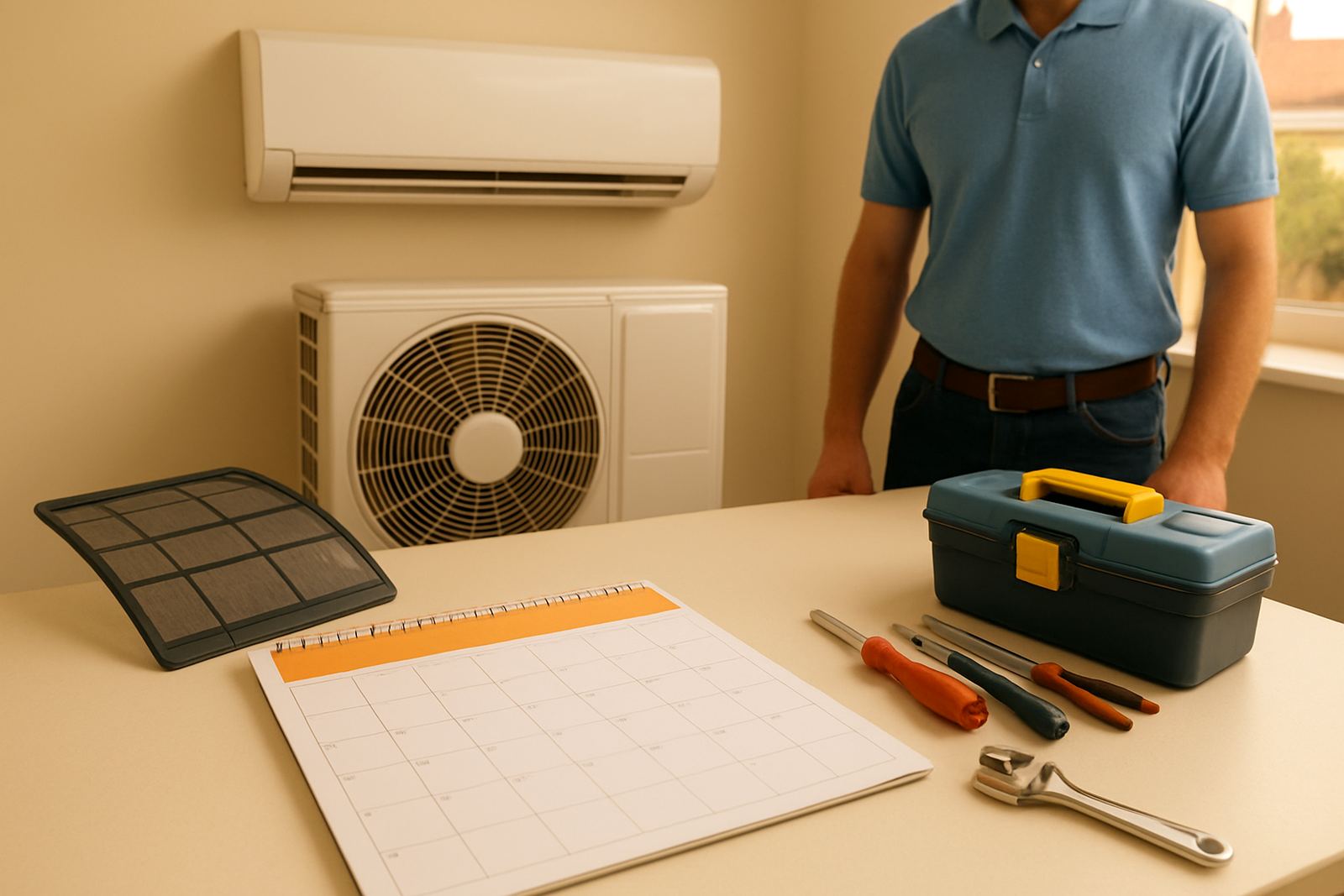
If you are unsure, use this simple check list before deciding:
- How old is the unit and how often has it been serviced?
- Does the same fault keep returning?
- Are electricity costs creeping up?
- Is the room still comfortable in hot weather?
- Will a repair buy you time, or just delay a replacement?
When three or four of these points are negative, replacement usually starts to make more financial sense.
A local example from Johannesburg North
A common case is a three bedroom home in Johannesburg North with an old split unit in the living area. The owner calls because the system cools only after a long wait, makes a grinding noise, and trips once or twice a month. After inspection, the fault list is clear: worn fan components, tired refrigerant connections, and a compressor that is drawing too much current. The repair estimate is not small. The unit could be fixed, but there is no guarantee it will hold through another summer.
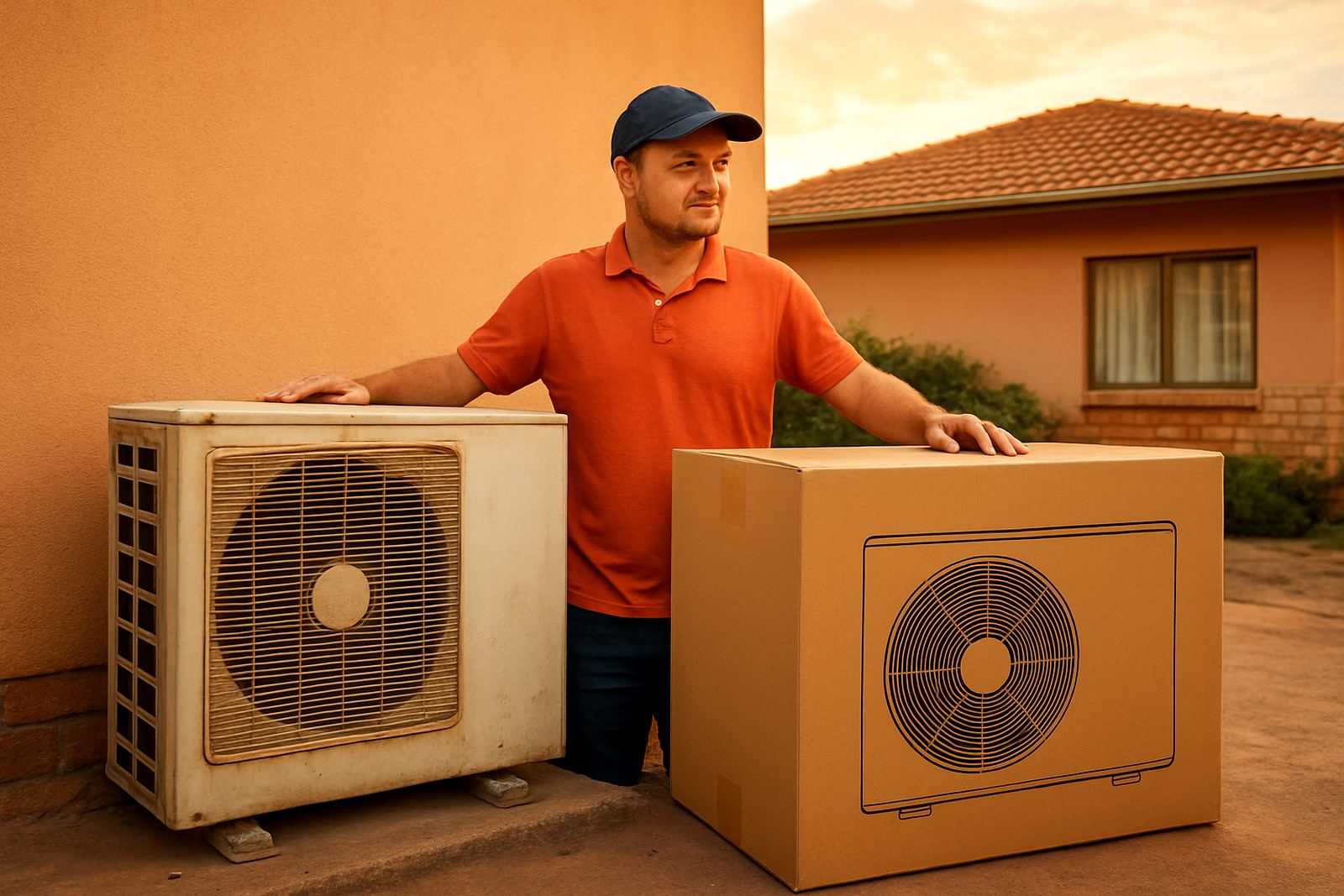
In a case like that, replacing the system often gives better value. The new unit starts cleaner, cools faster and uses less power. For an office in Sandton or Midrand, the argument can be even stronger because staff comfort, uptime and service continuity matter every day. A proper site survey also helps avoid the mistake of fitting a unit that is too small for the room or poor airflow layout.
If you are weighing up a replacement, it is worth checking:
- Room size and heat load
- Window exposure and insulation
- How many hours a day the unit runs
- Whether supply and fit includes the right pipe lengths and drainage
Choose replacement before the old unit fails at the worst time
Waiting for a complete breakdown can leave you without cooling during the hottest stretch of the year, and that is when installers are busiest. Planned replacement gives you time to compare options, check electrical suitability, and schedule the work without rushing. It also means you can decide whether a standard split system, inverter model, or solar aircon makes more sense for the property.
For homes, guest houses, retail units and small offices around Randburg, East Rand and West Rand, the best time to replace is often just before the old unit becomes a repeat expense. If the repair quote is climbing and the comfort level is dropping, do not wait for another failure. Get the system assessed, compare the numbers, and make the decision before the next heat wave hits, not after it.