Start with daily water use, not machine size
The first question is simple: how many people will use the water each day, and what will they use it for? A small office in Sandton may only need drinking water for 8 to 15 staff, while a guesthouse in Randburg or a salon in Midrand may need a steadier supply for staff, clients and light cleaning. For homes, think in litres per person per day, then add a buffer for hotter weeks and busier weekends.
As a rough guide, a light-use household may need 5 to 15 litres a day, a medium office 20 to 50 litres a day, and a larger site much more depending on occupancy. That is why we always ask about the daily draw first. A unit rated for the job on a humid coastal day may still fall short on a dry Gauteng afternoon, so it is wise to leave some headroom.
- Count regular users, not just peak visitors.
- List the uses: drinking, tea and coffee, staff kitchens, light cleaning.
- Add 20 to 30% extra for busy days or dry periods.
- Check if the site can store water for overnight use.
Check the room where the unit will work
Atmospheric water generators perform best in warm, humid air. A unit in a cool storeroom or a dry passage will produce less water than the same unit in a warmer area with better air movement. In Johannesburg North and the West Rand, the dry winter air can reduce output, while enclosed kitchens and plant rooms often have better results if they are not too cold.
Look at the room temperature, humidity, ventilation and dust levels. If the space is too tight, the unit may recycle warm air and work harder than it should. If the air is full of dust from a workshop or roadside frontage, filters will need more regular cleaning. On some sites we also check whether the unit will sit near a generator or inverter system, because power quality matters just as much as room conditions.
- Warm, moderately humid rooms usually give better output.
- Allow clear space around the unit for airflow and servicing.
- Avoid very dusty areas unless filtration can be maintained.
- Ask whether the site has stable power or frequent load-shedding.
Match the unit to power supply and running hours
These units do not all draw the same amount of power, and that needs to be considered before you buy. A smaller home unit may be fine on a standard circuit, but a higher-output model for an office or clinic may need dedicated electrical planning. If the site already has solar, battery backup or a generator, the selection should be done around that setup from the start. Otherwise the water output can drop each time load-shedding hits.
We usually look at daily running hours, start-up current, and whether the unit must run through the night or only during office hours. If the machine is sized too aggressively for a weak electrical supply, you can end up with nuisance trips and lower water production. It is better to choose a unit that fits the supply you actually have, not only the output on paper.
Choose storage capacity and water quality controls
Water production is only part of the job. The unit also needs enough storage to keep water ready for use, especially where demand comes in bursts. For example, a small office in Midrand may use most of its water before 11am, then again after lunch. A buffer tank or internal storage chamber helps smooth out those peaks. If the site has a canteen or reception area, the storage size becomes more important than people expect.
Water quality matters too. Most sites should look for proper filtration stages and basic treatment suited to the intended use. Drinking water needs a different standard to water that will be used for cleaning or plant rooms. Ask what filtration is included, how often it must be changed, and whether the unit provides any indication when service is due. If maintenance is ignored, output and water taste can both suffer.
- Check storage size against peak use, not only daily average use.
- Confirm what filtration stages are included.
- Ask how often filters need replacement in normal Gauteng conditions.
- Make sure the water path is easy to clean and inspect.
Select the right size for home, office or commercial use
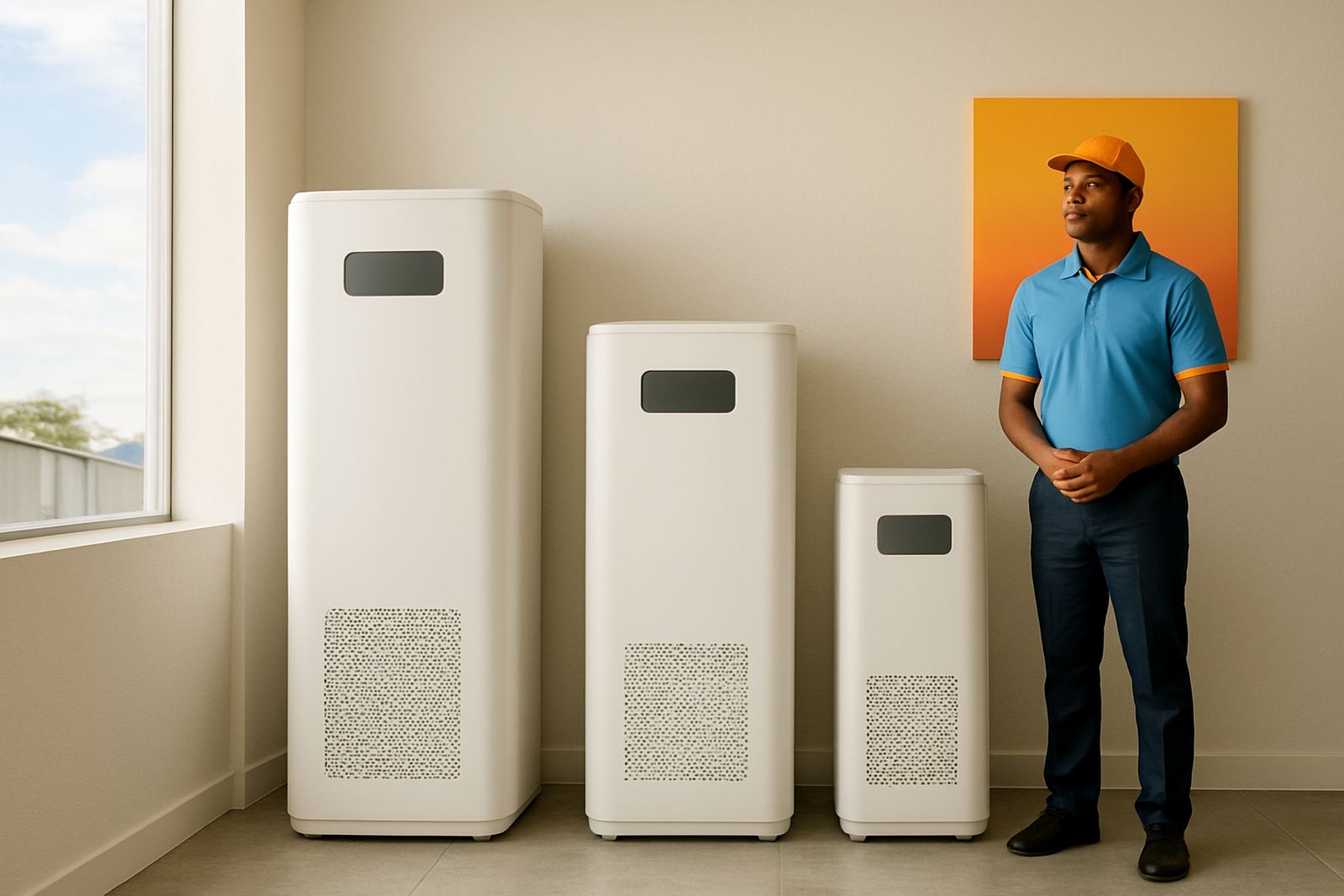
For a home in Johannesburg North, a compact unit may be enough if the aim is drinking water for a family of four. For a small office in Randburg, one mid-size unit may cover staff hydration and a tea point. For a larger site in the East Rand or a commercial property with visitors, we often recommend a unit that can handle higher daily demand and more regular draw-off. The important part is not only litres per day, but also whether the site needs water all day or only at set times.
Our team normally looks at the building type, occupancy, and how many taps or dispensing points the water will serve. A unit that suits one open-plan office may be too small for a medical room or training centre. If you are unsure, it helps to compare a few options side by side rather than guessing. That avoids under-sizing, which is the most common mistake we see.
Use this selection checklist before you order
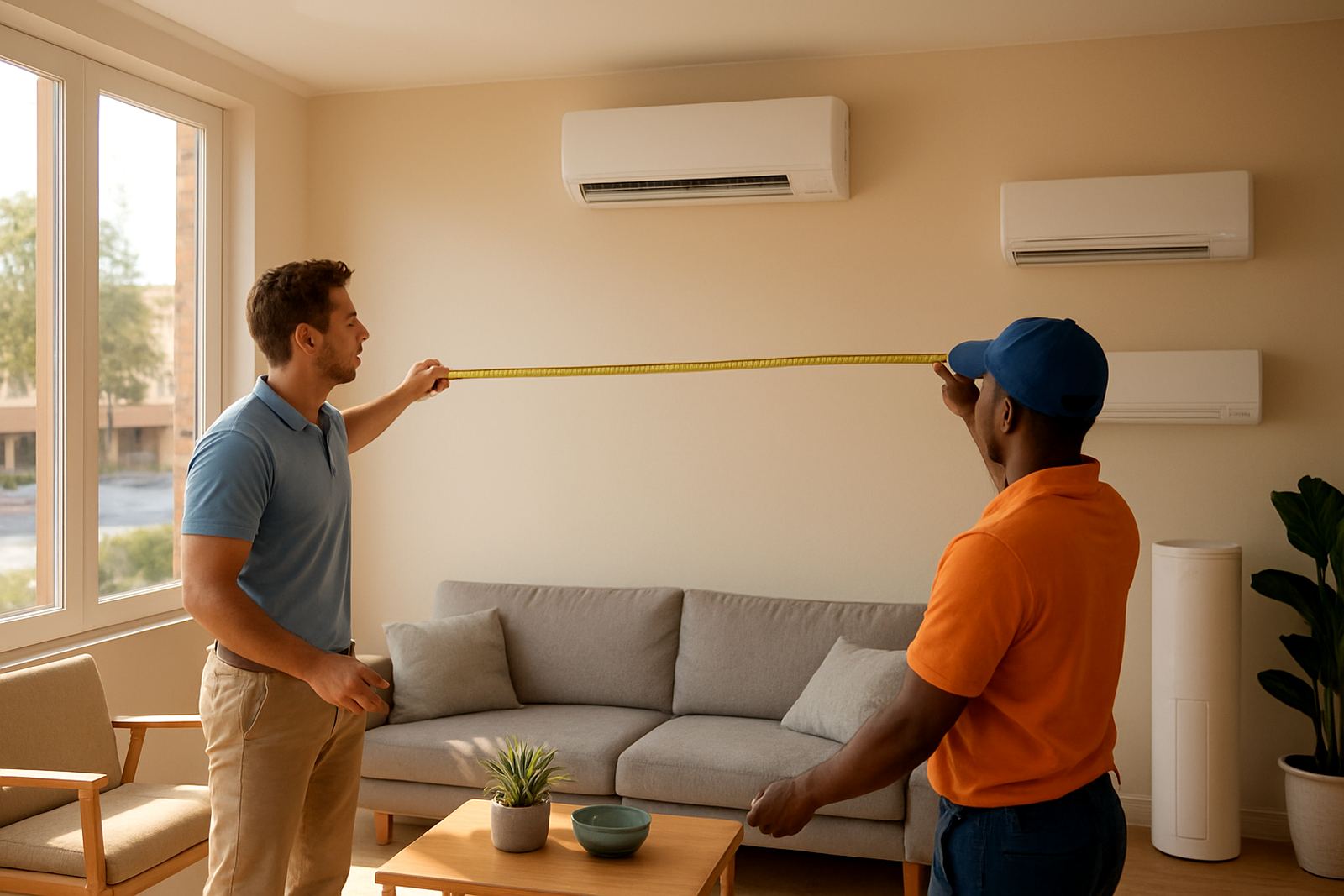
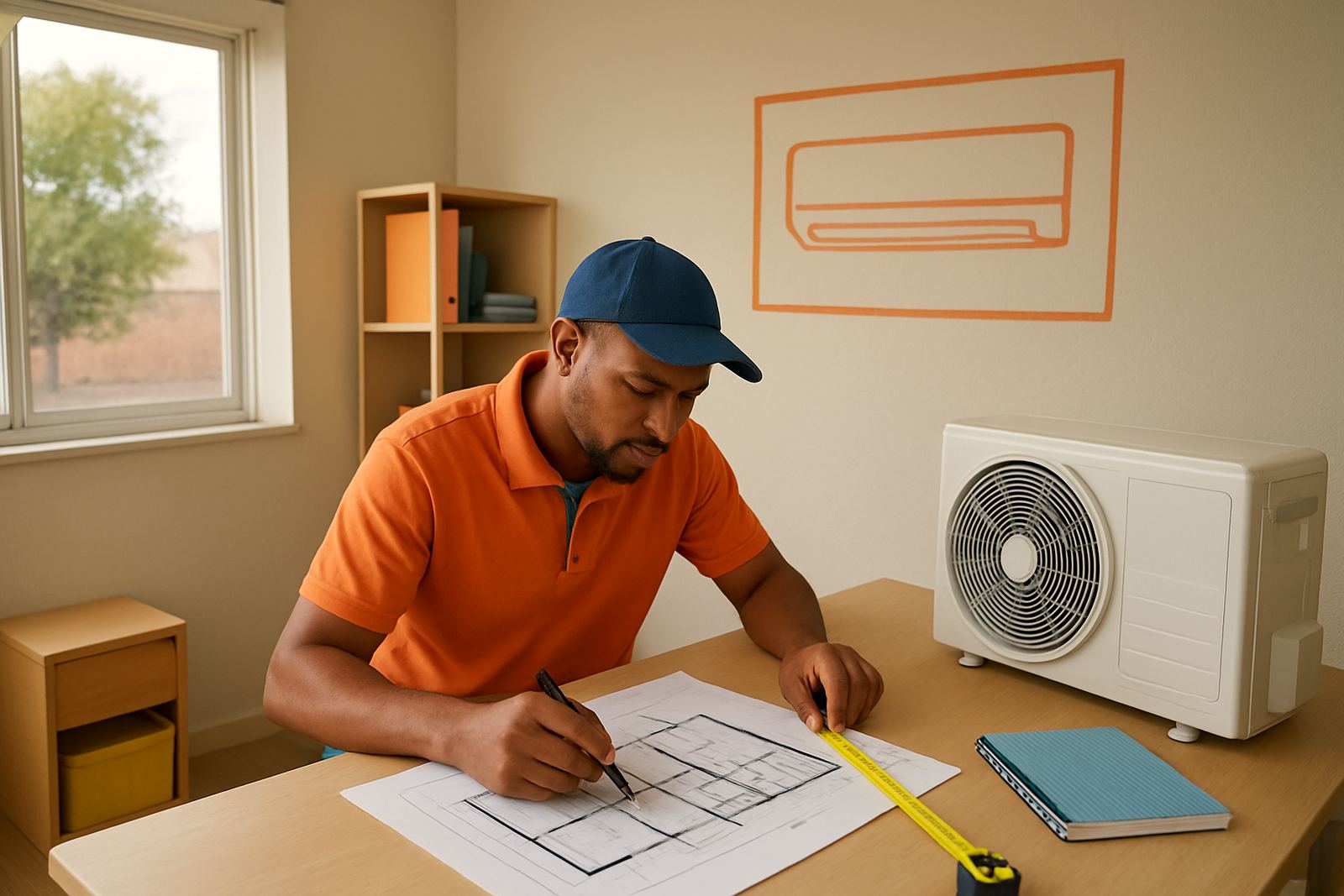
Before you choose a model, walk the site and note the basics. This saves time and helps the installation go smoothly. It also helps us confirm whether the unit should be placed indoors, in a storeroom, or in another area with better air and access for maintenance. A good selection is practical first, then technical.
- Daily litres needed: home, office or commercial use.
- Number of users and peak demand times.
- Room temperature, humidity and airflow.
- Electrical supply, backup power and load-shedding plan.
- Space for the unit, storage and servicing access.
- Water quality needs, filters and maintenance intervals.
- Any municipal or building rules for drainage, waste water or installation access.
If the site has strict building management or shared services, check those rules early. In some office parks, access times and noise limits affect where the unit can be placed. On busy sites, a simple site survey avoids delays and lets us recommend the right setup the first time.