Why placement matters before the first hole is drilled
A heat pump does not perform well just because it is a quality unit. It needs the right position around the tank, the correct clearance for air movement and space for future servicing. If the unit is squeezed into a corner or pushed against a wall, the system can struggle to transfer heat properly and may use more power than needed.
Good placement also matters for safety and maintenance. A service technician needs room to inspect the fan, electrical connections, pipework and drain line. If access is poor, a simple clean-out can become a bigger job, and that usually means more time on site and more cost to the customer.
For homes in Johannesburg North, Sandton and Randburg, we often see heat pumps installed where the owner only looked at the shortest pipe run. That can work in the short term, but the long-term result is often poor airflow or awkward access when the unit needs a service.
The best position has clean airflow and enough breathing room
A heat pump works by moving air across a coil. If the air around it is trapped, dusty or blocked by walls, the unit has to work harder. That can affect water heating time and put extra strain on the system. The unit should be placed where air can move freely on all sides, with no roof overhang, tight walls or dense plant growth choking the intake and discharge.
As a practical guide, allow space around the unit so it can draw in and push out air without recycling the same warm air. This is especially important in hot Gauteng afternoons and in coastal or damp conditions where moisture can hang around longer.
- Keep the unit away from corners that trap heat
- Do not place it right next to a boundary wall if avoidable
- Avoid spots where washing lines, bins or garden furniture block airflow
- Leave room for the fan to move air without obstruction
If you are fitting a heat pump beside a pool area, plant room or outside storeroom, make sure the space does not become cluttered over time. A neat installation today can become a maintenance problem in six months if the area is ignored.
Think about noise, neighbours and where the tank sits
Heat pumps are quieter than many people expect, but they still make fan noise and a small amount of vibration. That means placement matters for bedrooms, boundary walls and shared areas. If the unit is installed under a bedroom window or right next to a neighbour’s patio, complaints can follow later.
It also helps to keep the unit close enough to the geyser or storage tank to reduce unnecessary pipe runs. Long pipework can lose heat and make installation more complicated. At the same time, do not force the unit into a bad position just to save a few metres of piping. A balanced layout is usually the better choice.
For offices and small commercial sites in Midrand or the East Rand, we often recommend placing the heat pump where staff can hear it if there is a fault but not where it interrupts daily use. That usually means an external service area with clear access, solid footing and sensible drainage.
Drainage, weather and Gauteng conditions need attention
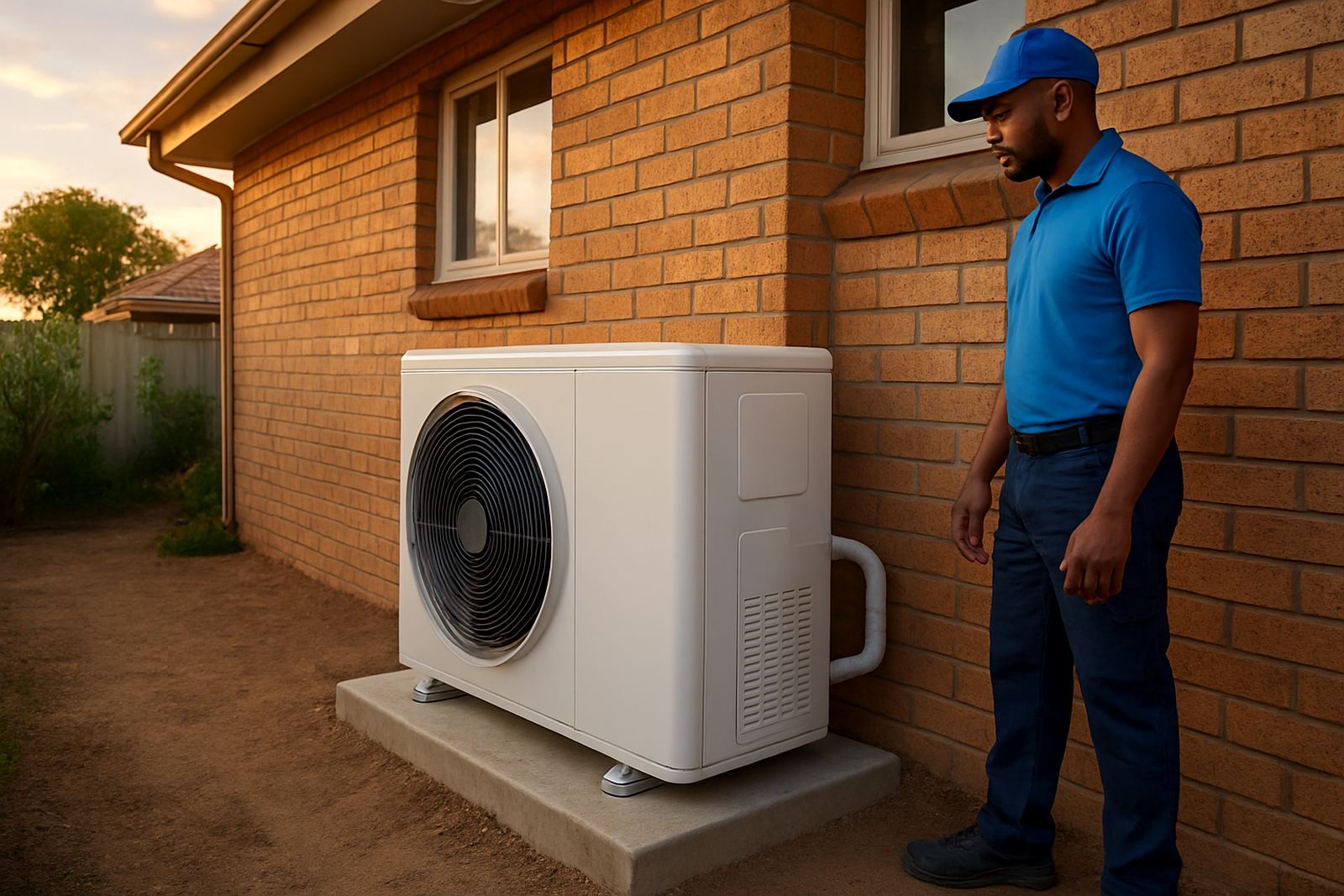
Heat pumps produce condensate and they need a place for water to drain away cleanly. If the unit sits on a bad slope or over a paved area without proper drainage, water can pool around the base and create slipping risks or nuisance staining. In summer storms, water should move away from the unit quickly.
In Gauteng, dust and dry conditions can build up on coils and filters, while cold mornings and heavy summer rain can both affect performance if the unit is badly sited. A good installer will look at shade, wind exposure and the direction of runoff before drilling or mounting anything.
- Choose a level base or a proper mounting frame
- Keep clear of downpipes and roof runoff
- Do not place the unit where water can splash directly onto electrics
- Allow for easy cleaning after windy and dusty weeks
If the area gets regular washing down, make sure the drain point is planned properly. A heat pump should not sit in standing water or near a point where detergent, grime or leaves collect.
Access for servicing saves money over time
A heat pump is not a fit-and-forget item. It needs periodic checks, cleaning and sometimes valve or sensor work. If the unit is installed too high, too low or behind a locked fence panel, every service becomes slower. Good placement should allow a technician to remove covers, inspect parts and test the system without moving half the yard.
This is one area where homeowners often focus on appearance, but service access is just as important. A neat corner is not useful if nobody can reach the unit properly. The same applies in multi-unit properties and office complexes where maintenance plans depend on quick access.
- Keep a clear path to the unit from the driveway or service yard
- Avoid permanent obstructions in front of panels
- Leave enough room to remove the cover fully
- Make sure the isolator and pipework are visible and reachable
When access is planned well from day one, future maintenance is faster and less disruptive. That matters during load-shedding periods too, when customers need hot water systems checked and restarted efficiently.
A local Johannesburg example from a tight installation space
We recently looked at a home in Johannesburg North where the owner wanted the heat pump placed in a side passage next to the kitchen wall. The space looked convenient, but it was narrow and trapped warm air against the wall. There was also a washing line, a drain pipe and a storage cage nearby. It would have been a difficult spot for servicing and airflow.
After measuring the area, we moved the unit to a better side yard position with clearer air movement, better drainage and safer access to the geyser. The pipe run was a little longer, but the overall layout made more sense. The owner got steadier water heating and the unit was easier to reach for future checks.
That kind of decision comes up often in Sandton, Randburg and parts of the West Rand where properties are compact or have boundary walls close to the house. A slightly longer planning stage usually prevents a lot of trouble later.
What to check before installation day
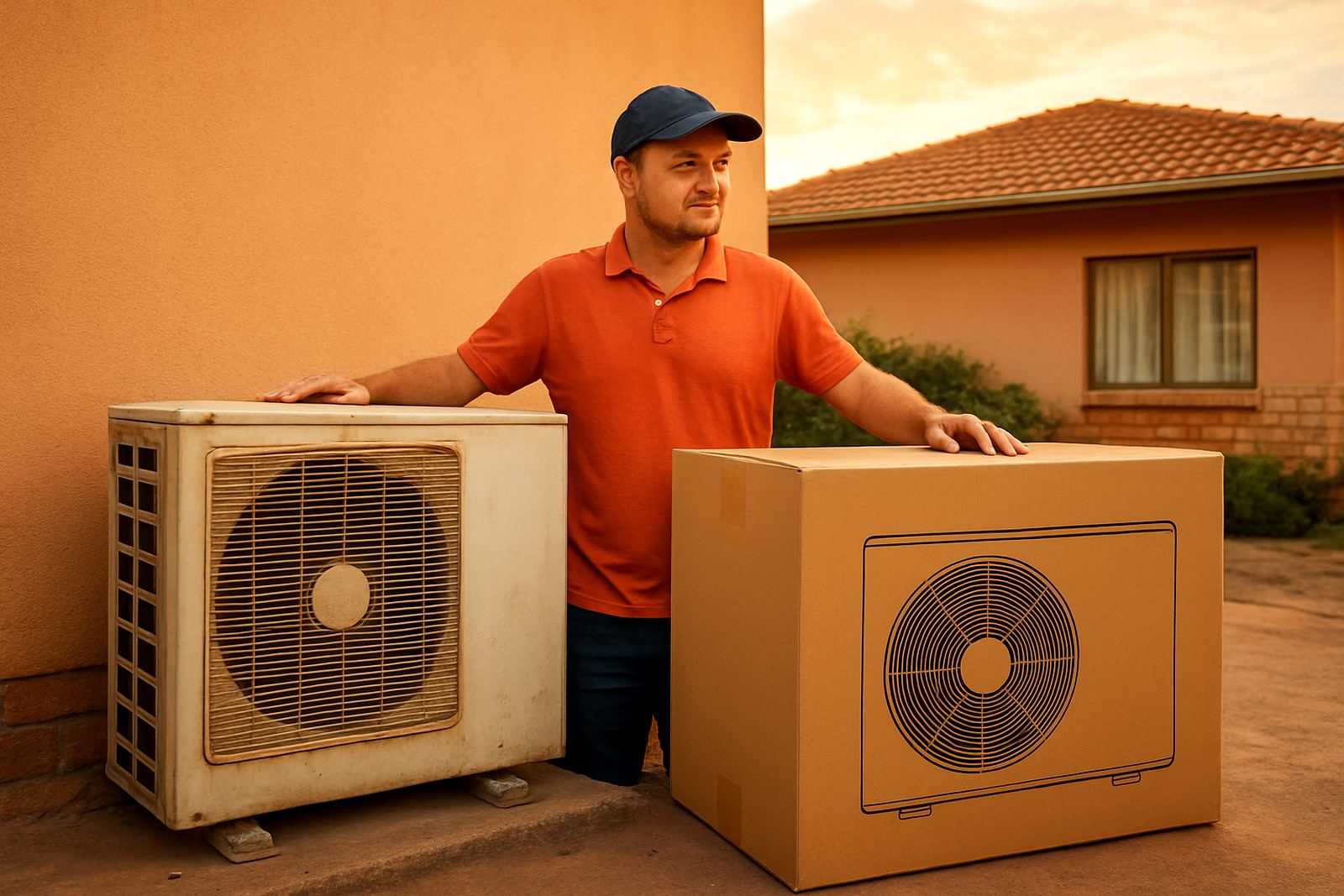
Before the installer arrives, it helps to walk the site and confirm the practical details. A good placement starts with simple checks on space, power and access, not guesswork. If you are replacing an old unit, the new one may not fit in the same spot and still perform well.
- Measure the available wall, yard or roof space
- Check for safe electrical supply and isolator position
- Confirm how the condensate will drain away
- Look at wind, sun and shade during the day
- Plan for future cleaning and servicing access
If you are unsure, it is worth getting the site assessed before the unit is supplied. The right position is one of the easiest ways to protect hot water performance and avoid unnecessary callouts later.