What each system actually does
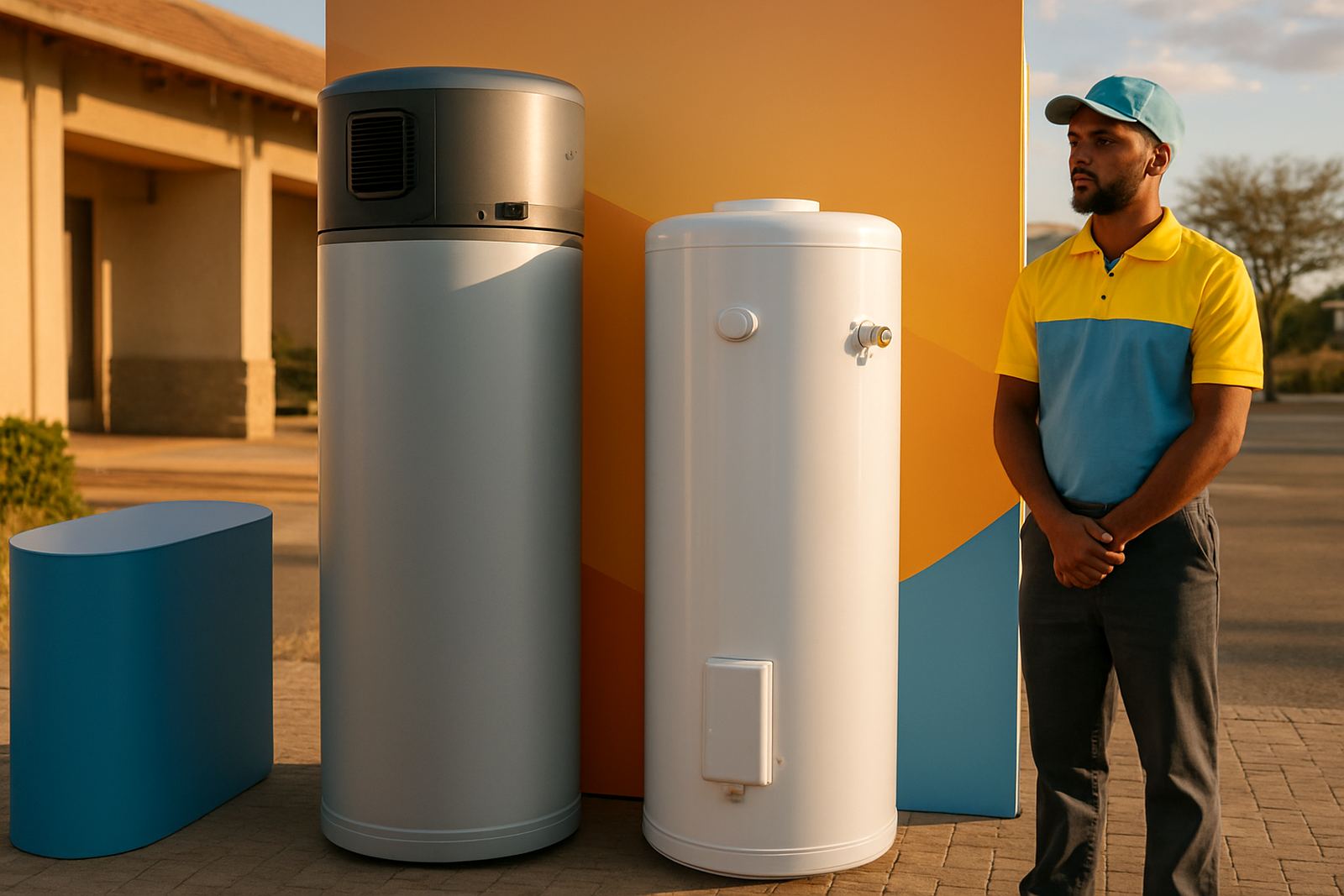
A conventional electric geyser heats water with an element inside the tank. It is simple, familiar and most plumbers know how to service it. A heat pump does the same job with less electricity by moving heat from the surrounding air into the water, rather than making the heat from scratch.
That difference matters in Johannesburg, Sandton and Randburg where many homes and offices need hot water every day, but not always at the same time. A geyser can sit and reheat a full cylinder several times a day. A heat pump usually uses far less power for that same storage tank, although it takes longer to recover after heavy use.
Running cost: where the savings usually come from
The main reason people look at a heat pump is the monthly bill. In many typical homes, a heat pump can cut water heating electricity use by a useful margin compared with a straight electric geyser. The actual saving depends on tank size, usage patterns, water temperature settings and how often people bath or shower.
If you have a family of four in Midrand, with morning showers and evening dishes, the savings can be meaningful over a year. Offices with kitchenettes or staff ablutions can also see better control of costs, especially where hot water use is steady rather than random.
- Lower electricity draw for the same hot water storage
- Better fit for high-use households and small commercial sites
- Longer payback if usage is very light
- Some extra cost for installation and controls
The key is to compare the full cost over 5 to 10 years, not only the purchase price. A cheaper geyser can look good on day one, then become expensive every month after that.
Load shedding, solar and what still works
Load shedding changes the conversation. A standard electric geyser will not heat water during outages unless it is backed by solar, inverter or generator power. A heat pump also needs electricity to run, so it is not a magic answer on its own. The difference is in how much power each system draws when it is operating.
For many properties, the best setup is not either or. It may be a heat pump paired with solar, or a geyser linked to a timer and a backup supply. On larger homes in the West Rand, or office blocks in Sandton, this can help keep hot water available without pushing the electrical load too high.
- Heat pumps still need power, but usually use less of it
- Timers can help both systems avoid peak tariff periods
- Solar PV can support either option if designed correctly
- Battery backup may keep controls and circulation running during outages
Space, noise and where the unit fits on site
A geyser is usually easier to fit because it is a tank and element in a simple layout. A heat pump needs space for airflow, a proper drain point and careful positioning so the unit can breathe. That matters in tight yards, small courtyards and apartment complexes with body corporate rules.
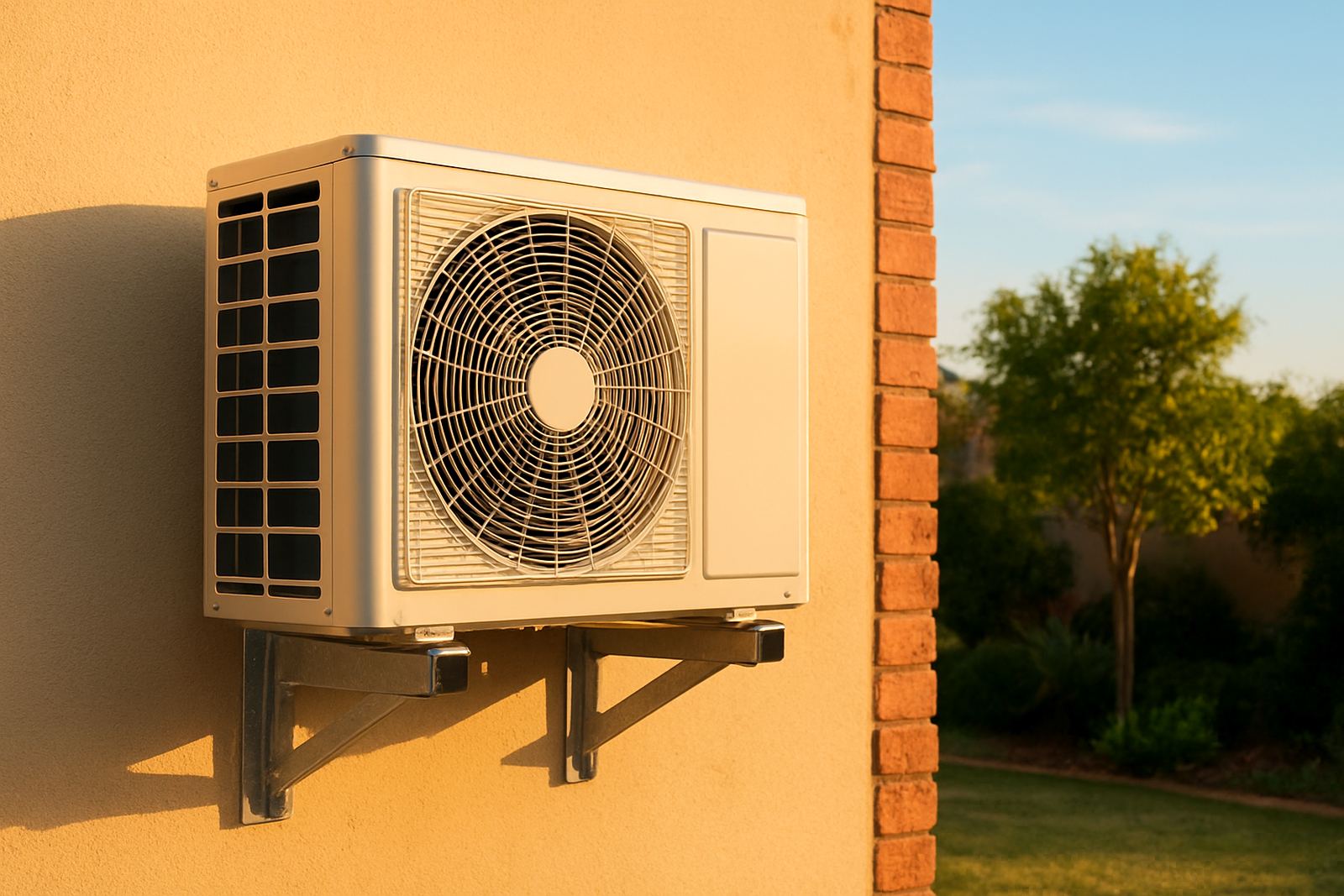
Noise is another point to consider. Heat pumps make a fan and compressor sound while operating, so placement near bedrooms, boundary walls or neighbour windows needs thought. In a quiet street in Bryanston or an office park in Rosebank, this should be checked before the final install. It is also worth confirming access for maintenance, because a unit hidden behind a wall or above a cramped ceiling becomes a headache later.
When a geyser still makes more sense
There are times when a traditional geyser remains the better choice. If the site has very low hot water use, limited external space, or a tight budget for upfront work, a geyser can be the practical option. It is also easier when a quick like-for-like replacement is needed after a burst cylinder and the client wants the fastest return to service.
For some rental units, older homes with modest demand, or properties where the electrical upgrade is not worthwhile, a geyser may be enough. The main point is to match the system to the actual use, not to buy more machine than the building needs.
- Lower upfront cost
- Simple replacement in many homes
- Fewer space and noise issues
- Good for light hot water demand
A Johannesburg example from real use
Consider a family home in Johannesburg North with two bathrooms, a kitchen and regular evening showers. The old geyser is drawing power all day, and the monthly bill keeps climbing. A properly sized heat pump can reduce that draw, especially if the family sets the temperature correctly and insulates the pipes. In winter, the unit will still work, but recovery time and siting need to be planned carefully.
Now compare that with a small office in Randburg that only needs hot water for hand washing and a kitchenette sink. A heat pump might still be the right answer if the building is occupied every weekday, but the savings must be measured against usage. One or two taps used lightly will not always justify the same setup as a busy household. That is why site surveys matter so much.
We often find that the correct decision comes down to the daily pattern, not just the equipment price. A quick assessment of tank size, pipe runs, roof space and electrical capacity can stop costly rework later on.
How to choose without wasting money
Before you replace anything, ask for a proper check of the site and the hot water demand. A good installer should look at the number of people on site, the size of the existing cylinder, the available electrical supply and where the unit can be mounted safely. On commercial premises, they should also consider municipal rules, access for maintenance and any building manager requirements.
- Check daily hot water use, not just tank size
- Confirm electrical capacity and backup options
- Allow for noise, drainage and service access
- Compare 5 year running costs, not only purchase price
- Choose a system that suits Gauteng winters and power cuts
If you are in Sandton, Midrand, the East Rand or the West Rand, the best solution may be different from one suburb to the next. The right choice is the one that fits your building, your usage and your budget, with no unnecessary extras.