Why reverse-cycle aircons work well in Gauteng winters
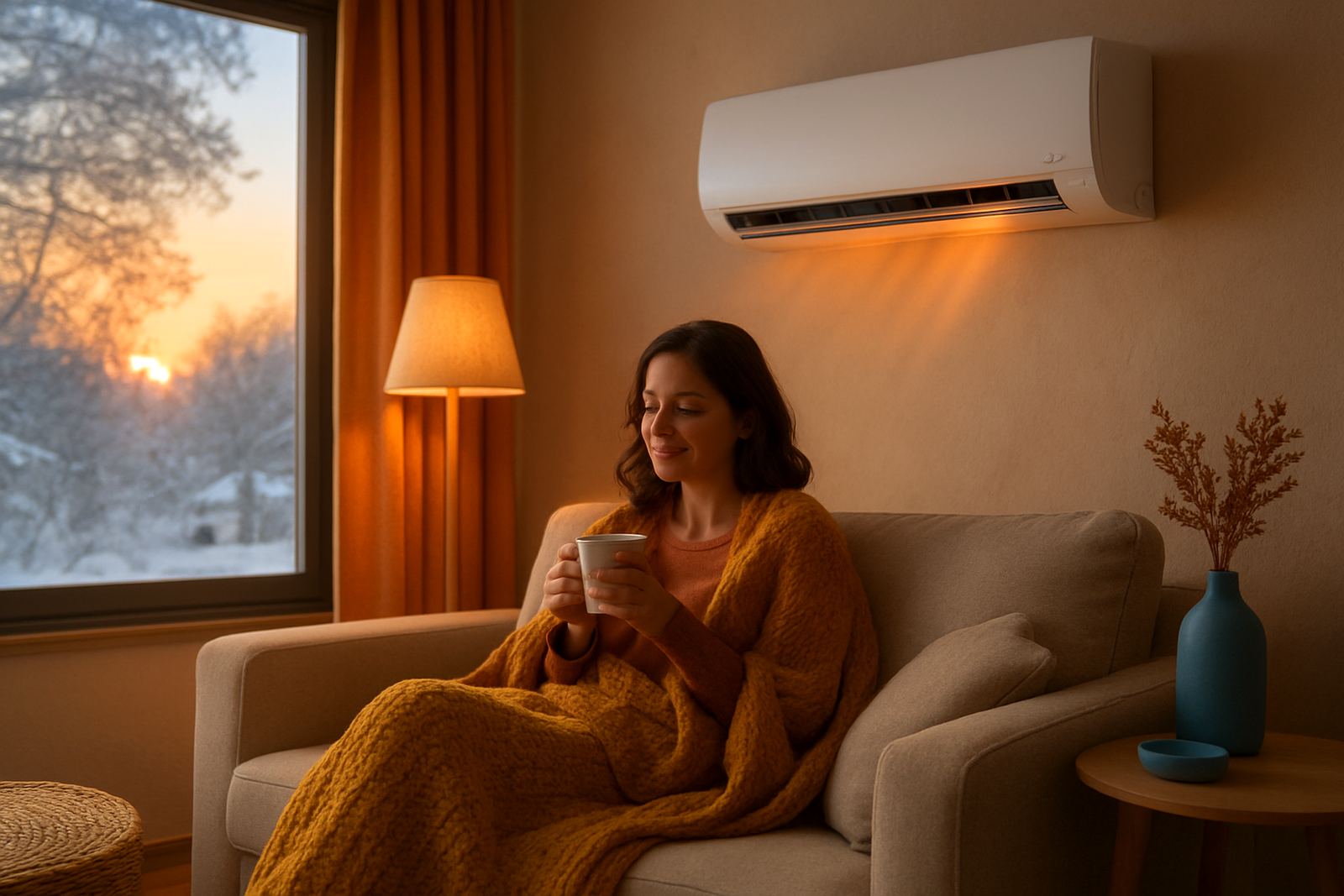
Many people still think of an air-conditioner as a summer machine only, but a reverse-cycle unit works both ways. In winter it pulls heat from outside air and moves it indoors, which is why a properly sized unit can warm a room quickly, even when the temperature drops in Sandton, Randburg or Midrand.
For Gauteng homes, the real advantage is control. You can heat the rooms you use most, instead of running a large central system for the whole house. That matters in older properties with high ceilings, tiled floors and rooms that lose heat fast at night.
What to look for before you buy a heating aircon
Heating performance is not only about the cooling size on the box. The room layout, insulation, windows and ceiling height all affect how well the unit will perform in winter. A west-facing lounge in Bryanston will need a different approach from a small office in the East Rand, and one unit often cannot serve both areas well.
When choosing a unit, check the heating output, noise level and whether the system is inverter controlled. Inverter units adjust their output instead of switching hard on and off, so they hold temperature better and usually use less electricity over time. That makes a practical difference during cold spells and power cuts.
- Match the unit to the room size, not just the floor area
- Check heating output in kilowatts, not only cooling figures
- Allow for ceiling height, open-plan areas and glass doors
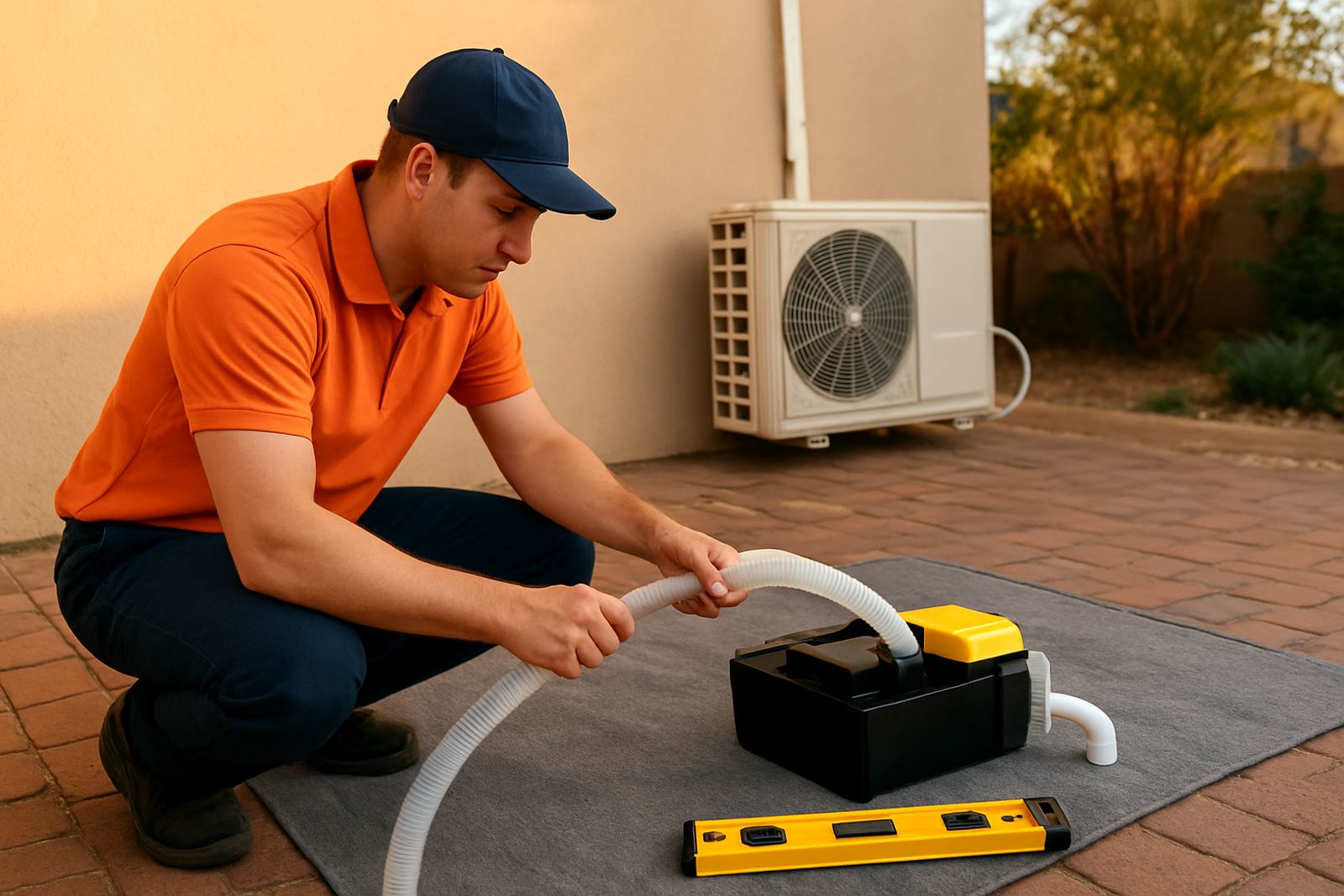
- Ask about installation position so warm air moves across the room properly
- Make sure the electrical supply can handle the load
Heating tips for homes that want lower running costs
Aircon heating works best when the room can hold warmth. Close doors, seal obvious draughts and use curtains at night to keep heat in. In many Johannesburg North homes, a few simple changes make the same unit feel far more effective. A cold tiled floor can still pull heat down quickly, so rugs are worth considering in living areas.
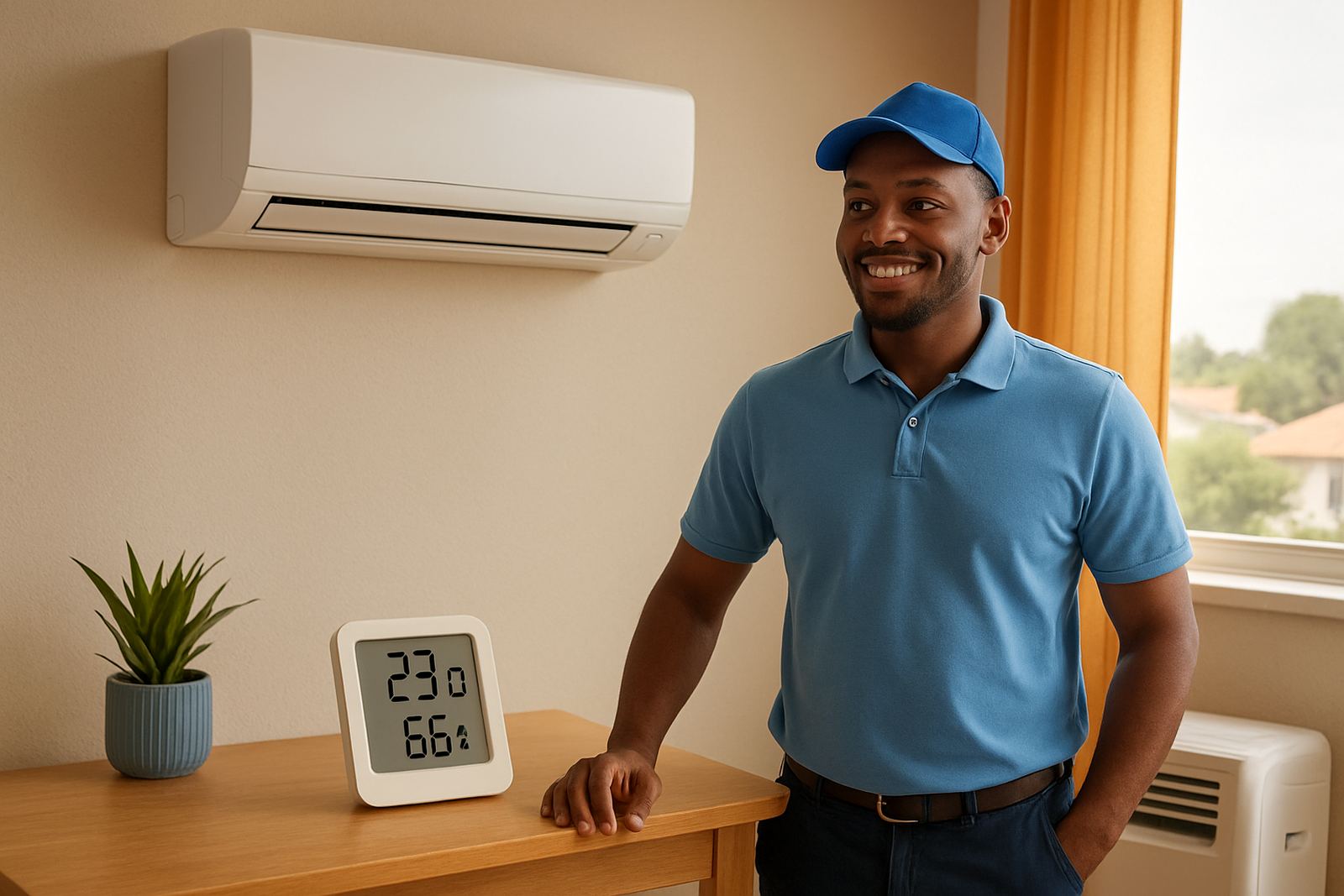
Set the aircon to a steady temperature instead of pushing it too high. A comfortable winter setting is usually enough for a lounge, passage or home office. If the room is occupied only for a few hours, switch the unit on before use rather than trying to heat a very cold room all at once. The system will work easier and the room feels better sooner.
- Keep filters clean so warm air moves freely
- Do not block the indoor unit with curtains or cupboards
- Use a timer where possible for early mornings
- Pair heating with good sealing around doors and windows
Office heating in Sandton, Midrand and beyond
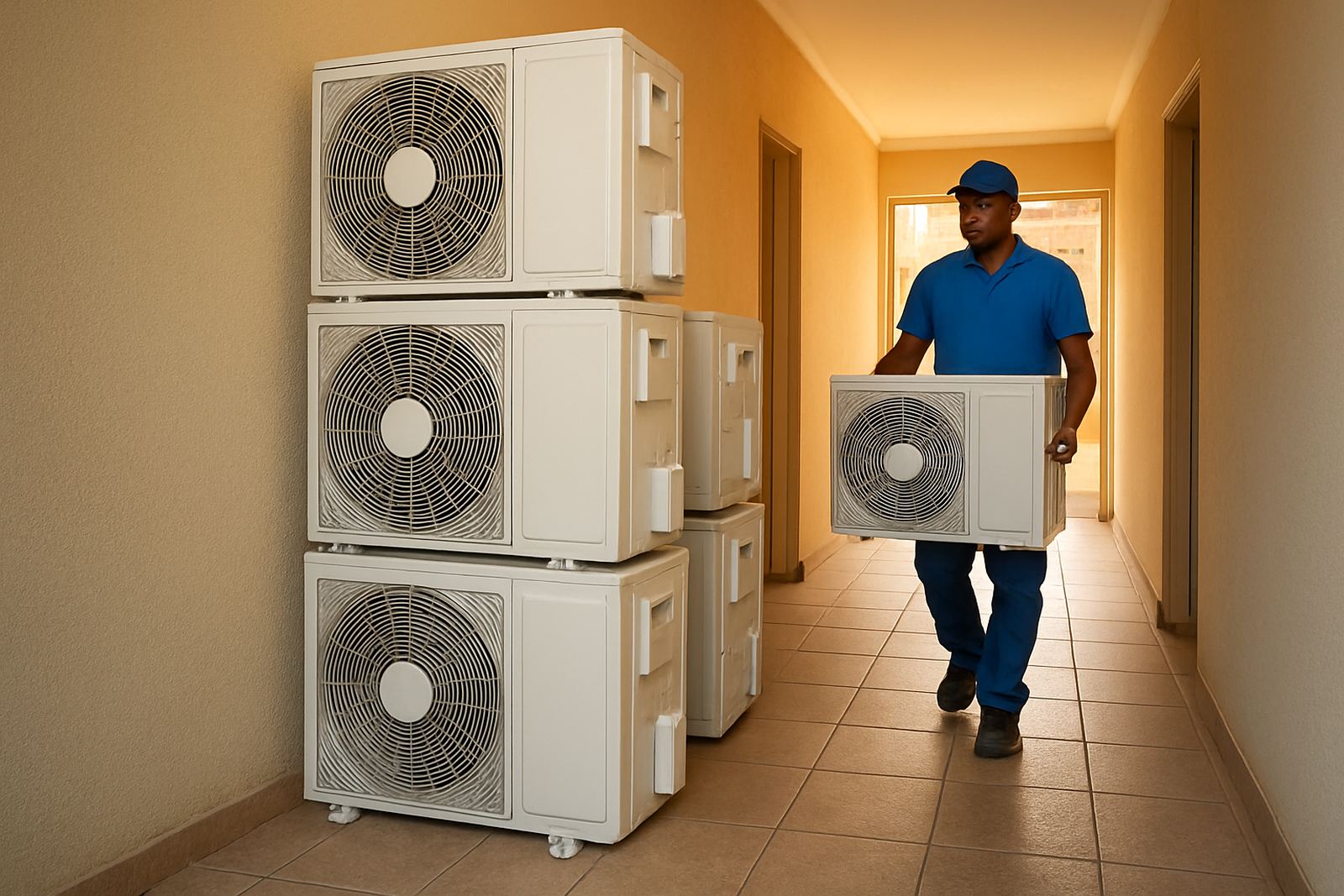
Offices need heating that is reliable and controlled. Staff arriving at 07:30 do not want to sit in a cold boardroom while waiting for the system to catch up. Reverse-cycle aircons suit small to medium offices because they can warm meeting rooms, reception areas and individual work spaces without heating the whole building from the start.
For business premises, placement matters. A unit installed in the wrong corner may warm one side of the room and leave the rest cold. That is why commercial site surveys help before supply and fit. The aim is steady comfort, less complaint from staff and no wasteful oversizing. In offices with glass fronts or open-plan layouts, the installer needs to think about air movement as much as unit size.
Load-shedding, solar and backup planning for winter
Winter heating is not only about the aircon itself, it is also about what happens when the power goes off. During load-shedding, some homes and offices look for smaller electrical loads that can work with solar or backup systems. An inverter aircon can be a better fit than older fixed-speed equipment because it starts gently and runs more efficiently once the room is warm.
If you are planning heating with backup power, the installation needs to be checked properly. Cable size, breaker capacity and overall demand all matter. A unit that seems fine on paper can still trip a circuit if the rest of the building is already under strain. It is better to get that sorted before the first cold front hits, not after.
For many Gauteng customers, a practical winter setup includes one well-sized reverse-cycle unit for the main room, with other spaces heated only when needed. That keeps running costs under control and helps during evening power cuts when households are already careful about usage.
A Johannesburg North example from a real winter week
A recent Johannesburg North home had a problem that comes up often. The family used a portable heater in the lounge, but the room still felt cold after sunset and the electricity bill kept climbing. The house had an open-plan living area, a sliding door and a passage that pulled in cold air from the bedrooms. Rather than adding another heater, the solution was a properly sized reverse-cycle aircon placed to move warm air across the main living space.
Once the unit was installed and the room was sealed up better, the family found they could warm the area faster and keep it comfortable through the evening. The change was not only about comfort. It reduced clutter, cut down on noise and gave them one system that could also cool the room in summer. That is the appeal for many Gauteng homes and small offices, one unit doing more than one job, all year round.
If you are comparing heating options this winter, think about where the cold comes in, how the room is used and whether the aircon will need to run during load-shedding. Those practical details matter more than fancy claims. A good heating setup should just work, day after day.